Category: Uncategorized

  • Dieting vs Lifestyle Change

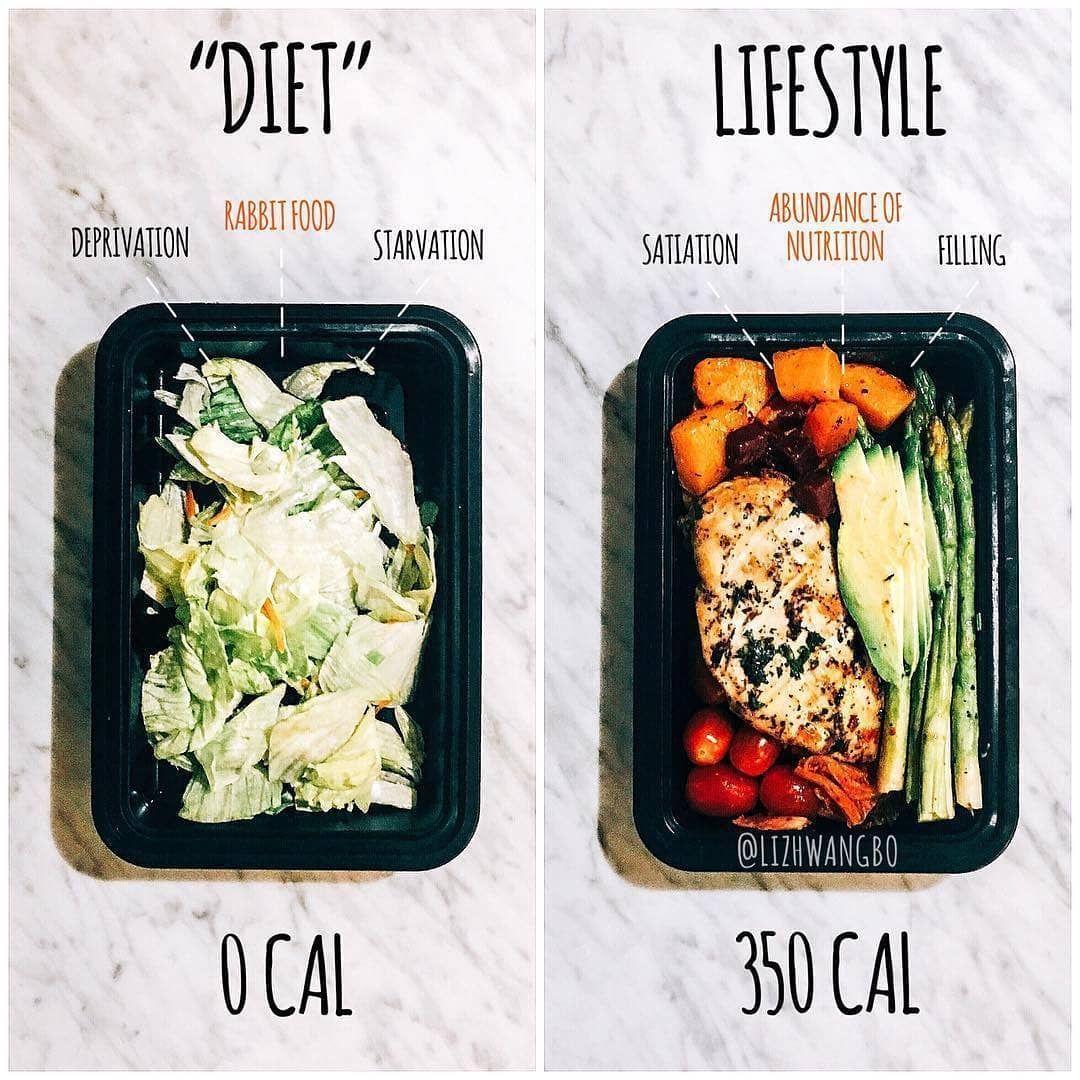
    When people want to lose weight or improve their health, they often think of β€œgoing on a diet.” But diets usually give short-term results. A lifestyle change, on the other hand, builds long-lasting health and freedom. So what’s the difference, and which one works better? Let’s break it down.
    https://www.biologyonline.com/wp-content/uploads/2019/10/balanced-diet-definition.jpg


    What Is Dieting?

    Dieting usually means:

    • Restricting certain foods
    • Eating very few calories
    • Following strict rules
    • Quick weight loss goals

    Dieting may work for a few weeks, but it often leads to:

    • Cravings
    • Lack of energy
    • Weight gain after quitting
    • Stress around food

    Diets give temporary results.
    https://cdn05.zipify.com/8VcSlPPeHTwc1rauKMUT6yd8VRI%3D/fit-in/1080x0/9bd55194016f424f886f992f0eead1f8/1abbb2543e95a9432e0f5d4be3ddf9ca.jpeg


    What Is a Lifestyle Change?

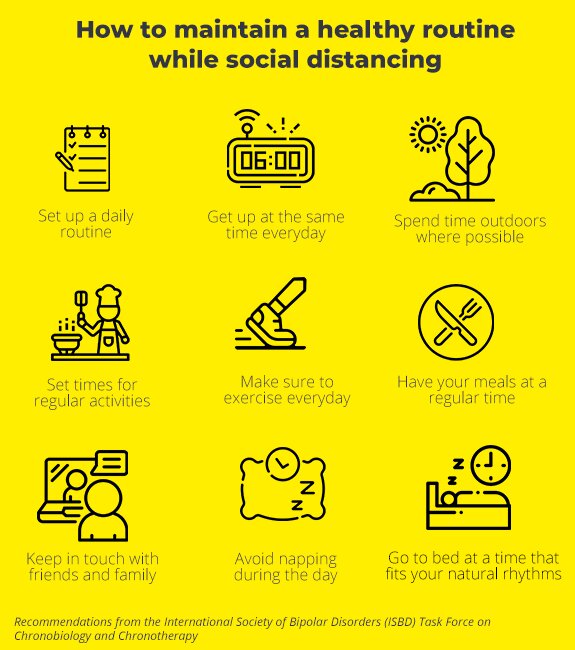
    A lifestyle change focuses on healthy habits you can follow forever.
    It includes:

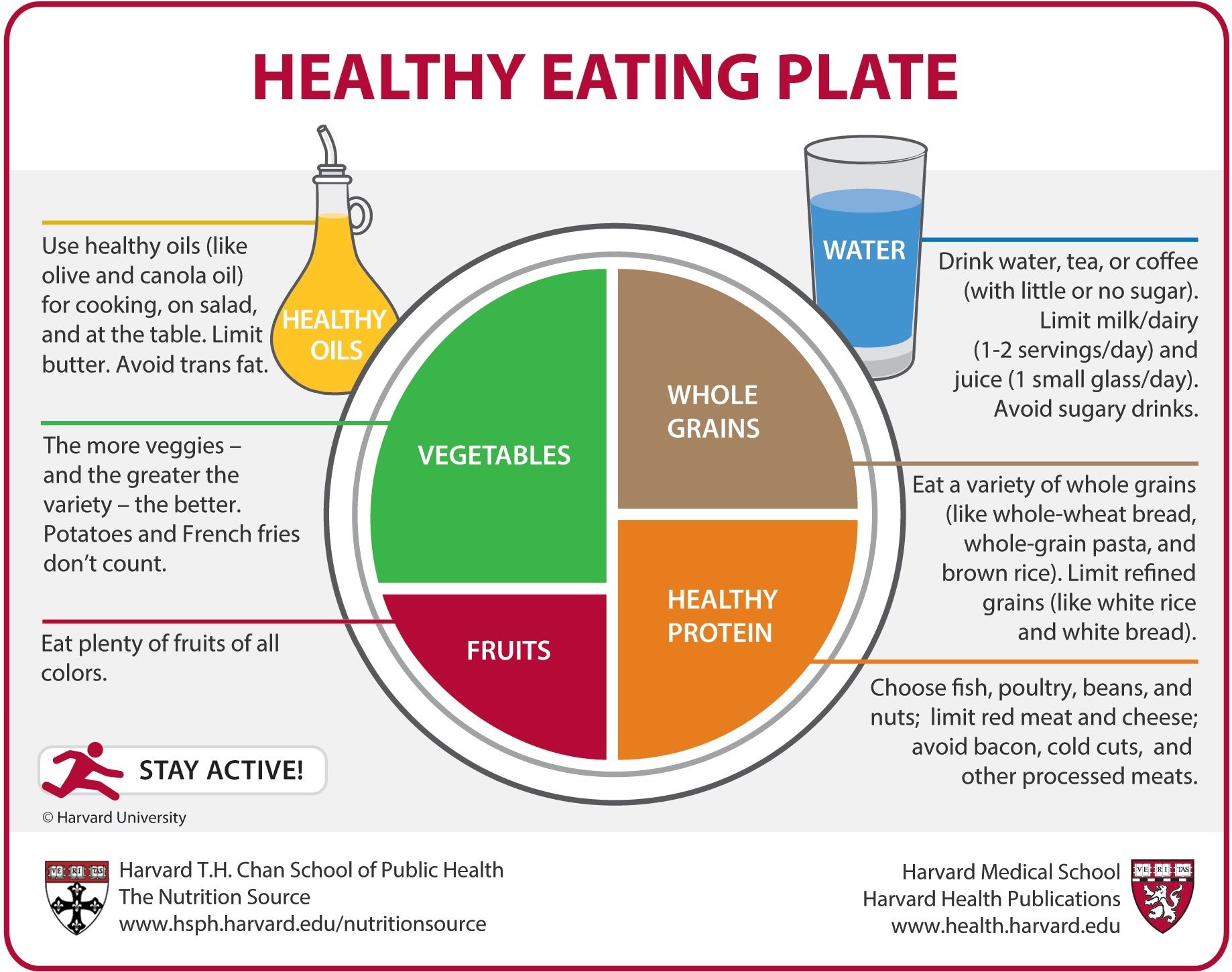
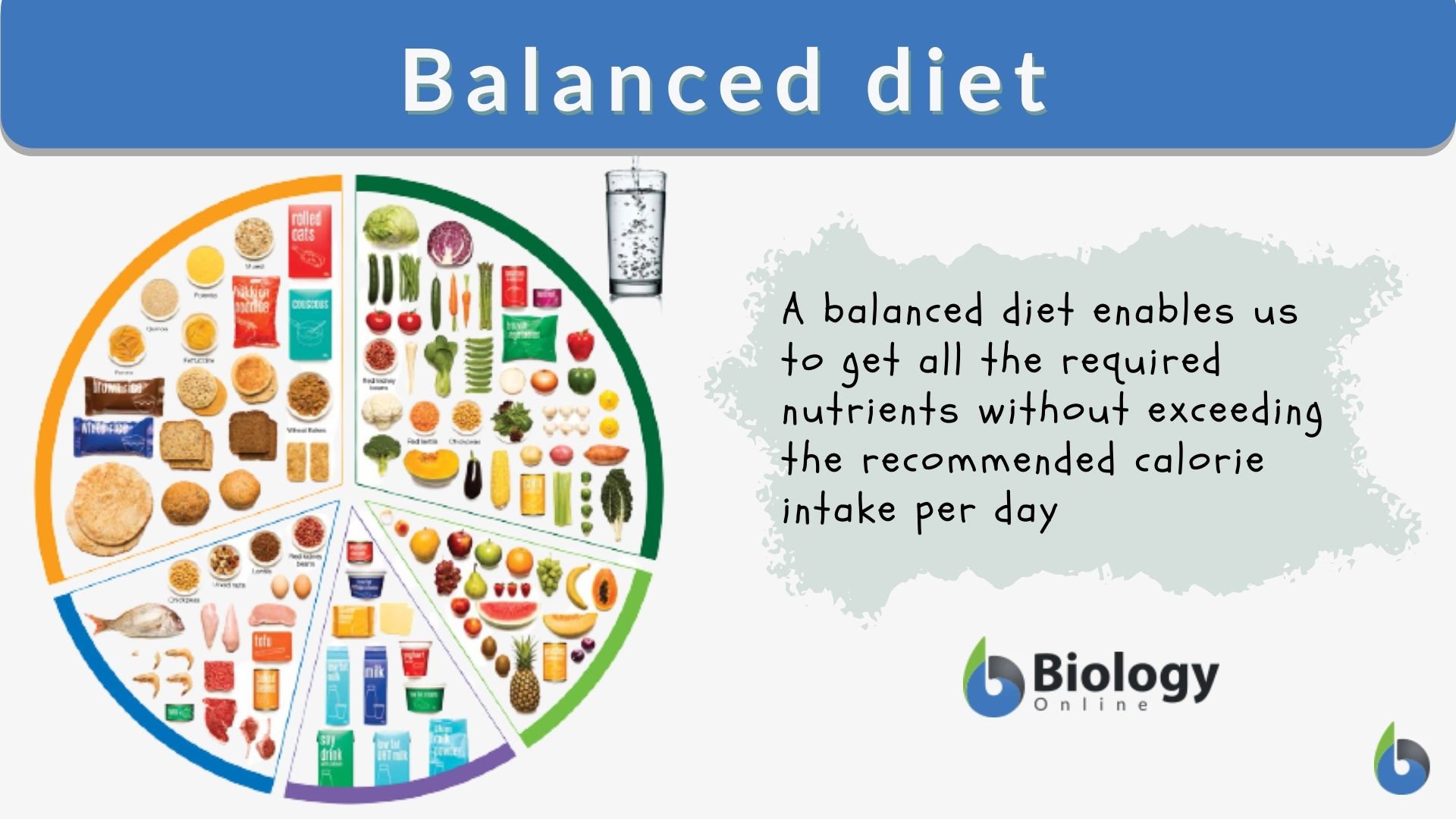
    • Balanced meals
    • Regular movement
    • Drinking enough water
    • Good sleep
    • Stress management
    • Better food choices

    These habits are flexible, realistic, and enjoyable.
    https://scx2.b-cdn.net/gfx/news/2020/toptipstomai.jpg

    https://nutritionsource.hsph.harvard.edu/wp-content/uploads/2012/09/HEPJan2015.jpg

    https://www.shape.com/thmb/gF5O2Ghd2jUqPOpfDujGSnzLAHI%3D/1500x0/filters%3Ano_upscale%28%29%3Amax_bytes%28150000%29%3Astrip_icc%28%29/HabitTracker-01-1baf8b13a357468aa91ea65796e2992f.png


    Dieting vs Lifestyle Change: The Real Difference

    1. Short-Term vs Long-Term

    • Diet: Quick results, but temporary
    • Lifestyle Change: Slow results, but permanent

    2. Restriction vs Balance

    • Diet: Avoids foods
    • Lifestyle Change: Allows all foods in moderation

    3. Stress vs Freedom

    • Diet: Constant rules and guilt
    • Lifestyle Change: Flexible and enjoyable

    4. Weight Loss vs Overall Health

    • Diet: Focuses only on weight
    • Lifestyle Change: Improves skin, energy, mood, digestion, and sleep


    Which One Is Better?

    A lifestyle change is far better than dieting.
    It helps you:

    • Maintain weight naturally
    • Feel energetic
    • Build healthy habits
    • Stay consistent
    • Enjoy food without guilt

    https://neelamhospital.com/wp-content/uploads/2025/02/Neelam-HEALTHY-1.jpg


    Final Thoughts

    Dieting may seem easy, but it rarely lasts. A lifestyle change takes time but gives real, long-lasting health benefits. Start smallβ€”drink more water, add fruits, walk dailyβ€”and you’ll see big changes over time.
    Go back

    Your message has been sent

    Warning
    Warning
    Warning
    Warning.

  • Keeping Fit While On the Go

    Life gets busyβ€”work, travel, family, and daily responsibilities can make it hard to stay fit. The good news? You don’t need a gym or long workout sessions to stay healthy. With a few smart habits, you can stay active anywhere, anytime.


    1. Choose Movement Over Sitting

    Small movements add up.
    Try:

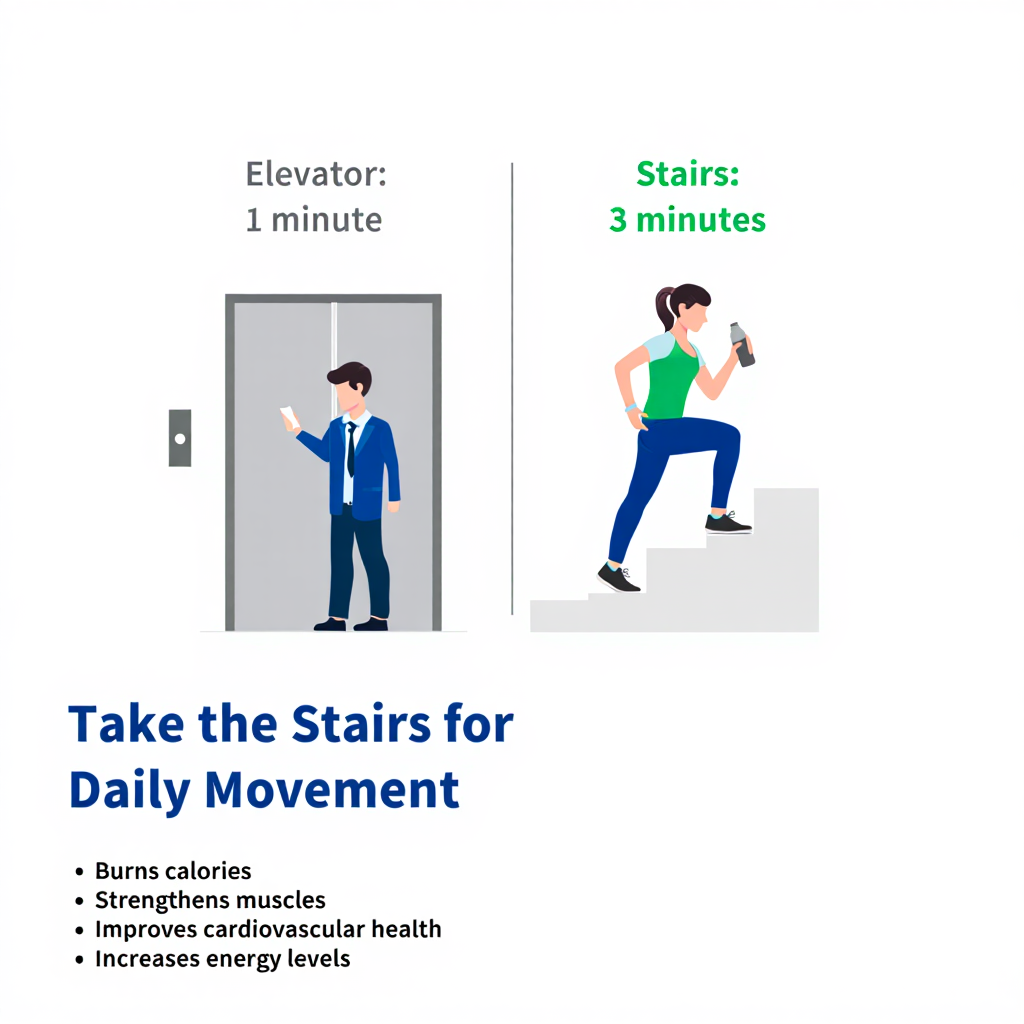
    • Taking stairs instead of the elevator
    • Walking during phone calls
    • Standing instead of sitting whenever possible

    These simple choices keep your body active all day.


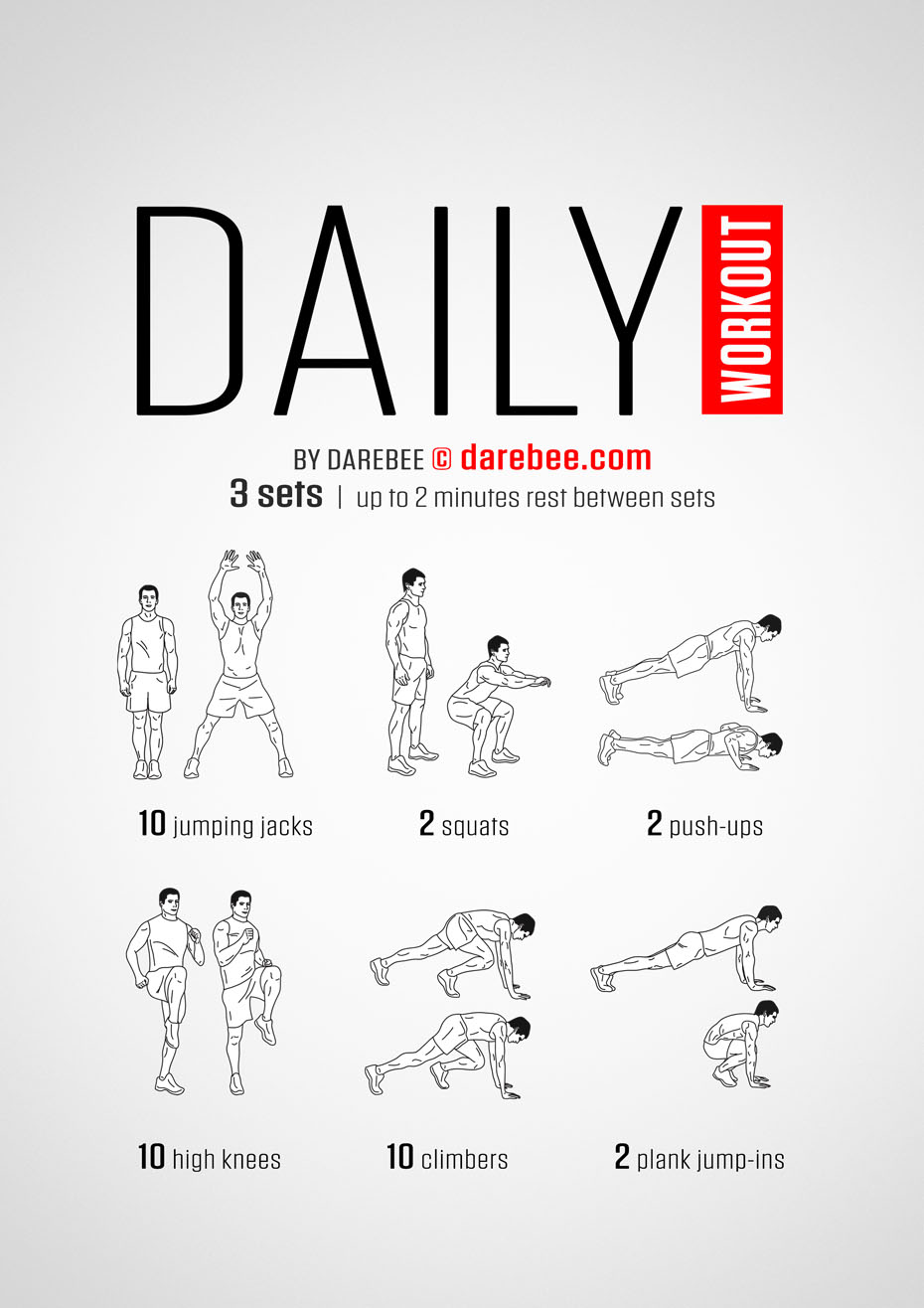
    2. Do Quick Workouts

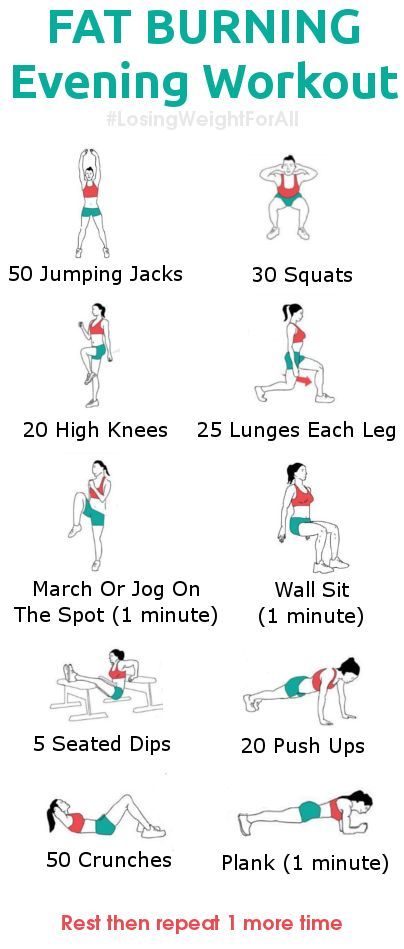
    Even 10–15 minutes is enough to boost strength and energy.
    Try quick moves like:

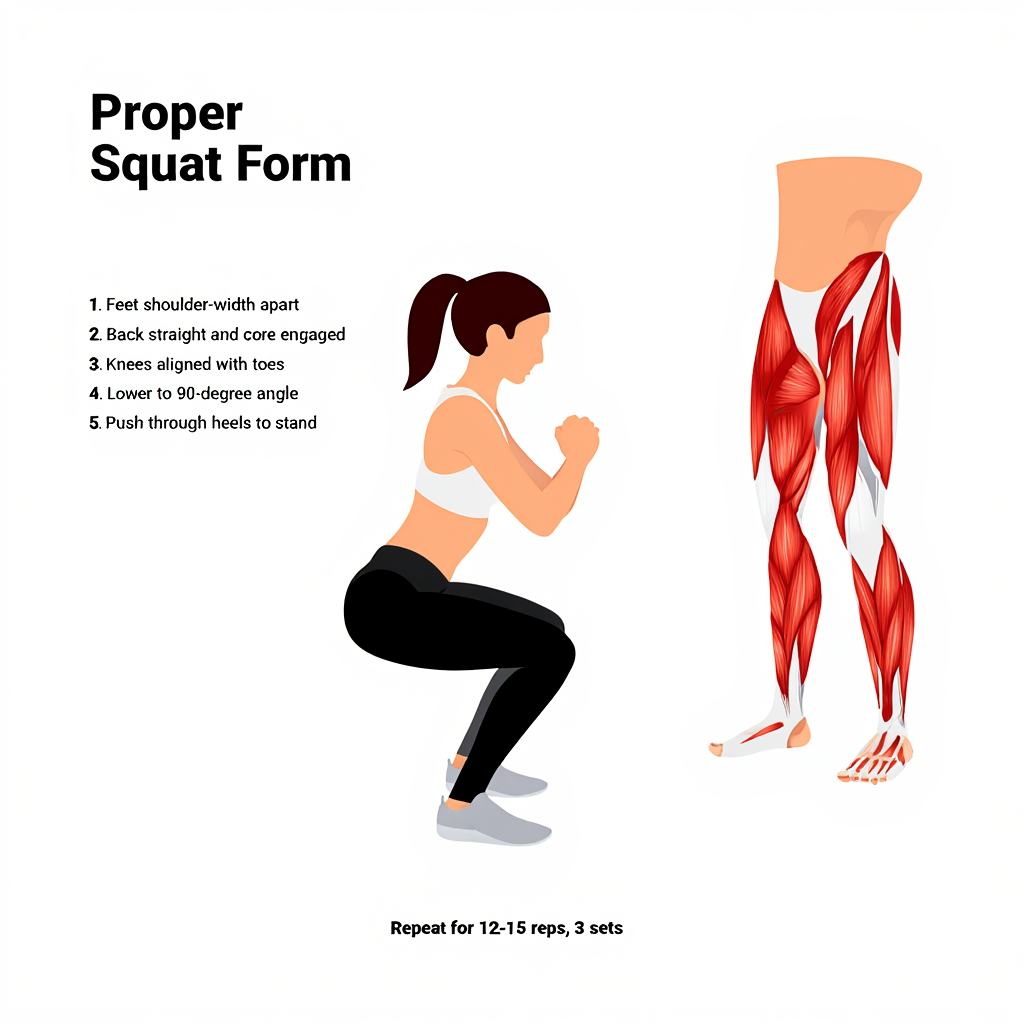
    • Squats
    • Jumping jacks
    • Planks
    • Push-ups
    • Stretching

    No equipment neededβ€”perfect for travel or busy days.


    3. Carry Healthy Snacks

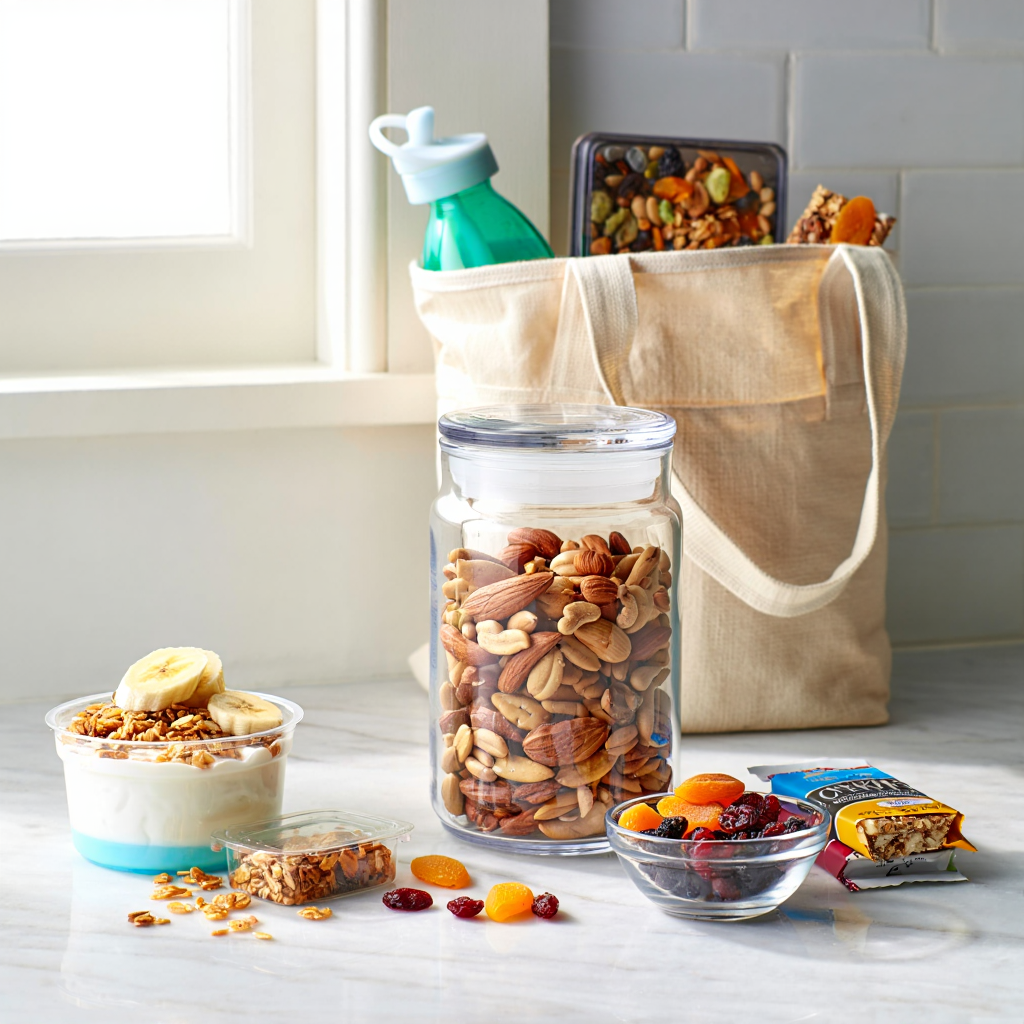
    Avoid junk food by carrying:

    • Nuts
    • Fruits
    • Protein bars
    • Yogurt
    • Whole-grain snacks

    This keeps your energy stable and prevents overeating.


    4. Stay Hydrated

    Carry a water bottle everywhere.
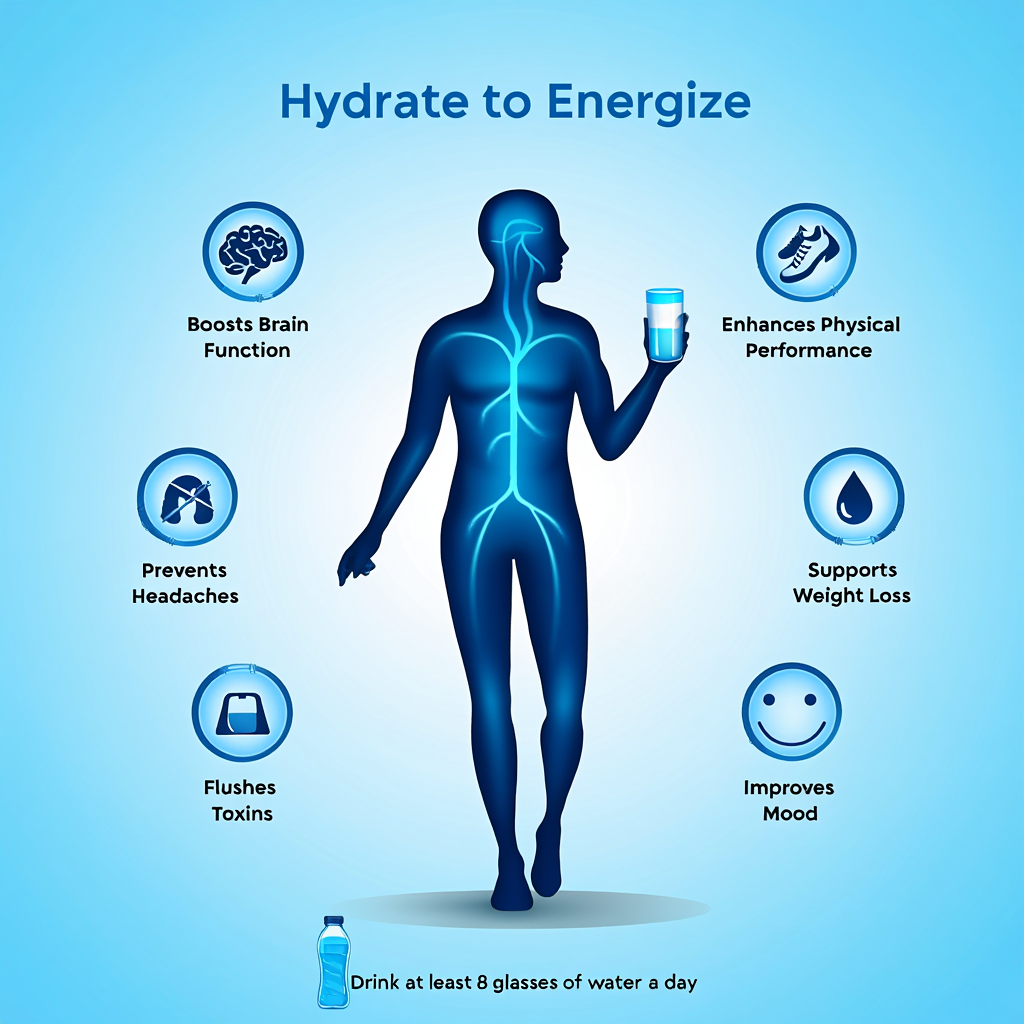
    Drinking enough water reduces fatigue, improves focus, and helps digestion.


    5. Make Sleep a Priority

    Traveling or a busy schedule can disturb sleep.
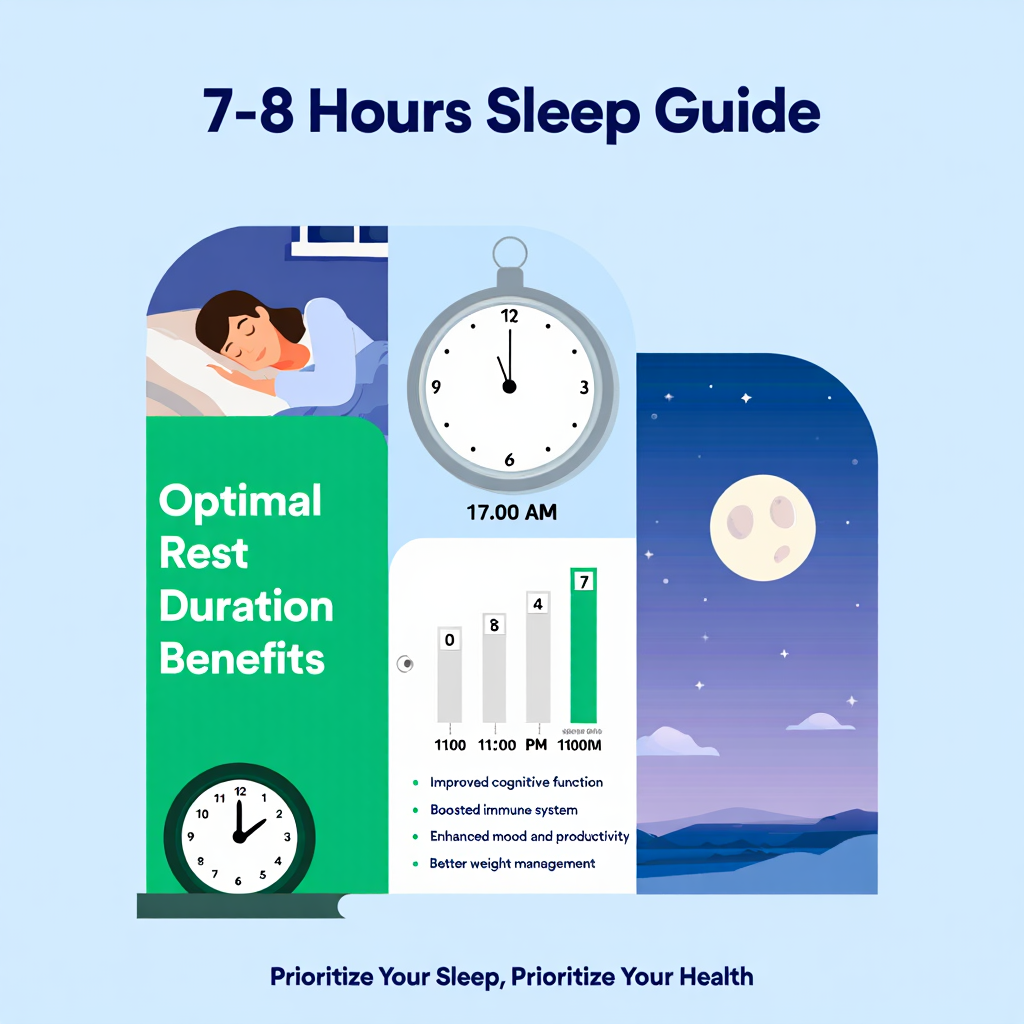
    Aim for 7–8 hours, and take short power naps when needed.
    A well-rested body stays healthier and more active.


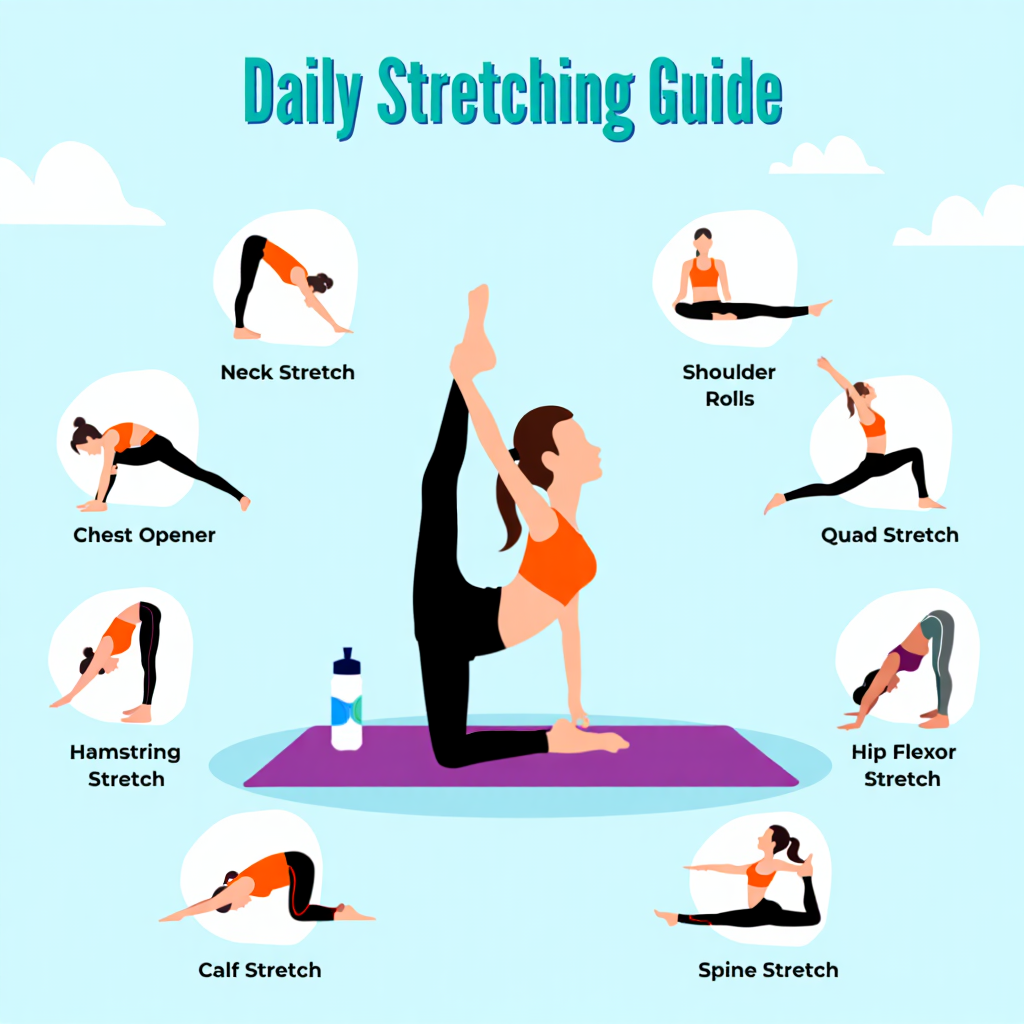
    6. Stretch Frequently

    Sitting for long hours can stiffen your muscles.
    Do small stretches every 1–2 hours to keep your body flexible and pain-free.


    7. Use Fitness Apps

    Quick workouts, reminders, and trackers help you stay consistent, even on busy days.


    Final Thoughts

    You don’t need a perfect routine to stay fit while on the goβ€”just small, smart, consistent habits. Walk more, stretch often, eat clean, drink water, and stay active whenever you can. These mini-efforts add up and keep your body strong, energized, and healthy.

    Go back

    Your message has been sent

    Warning
    Warning
    Warning
    Warning.
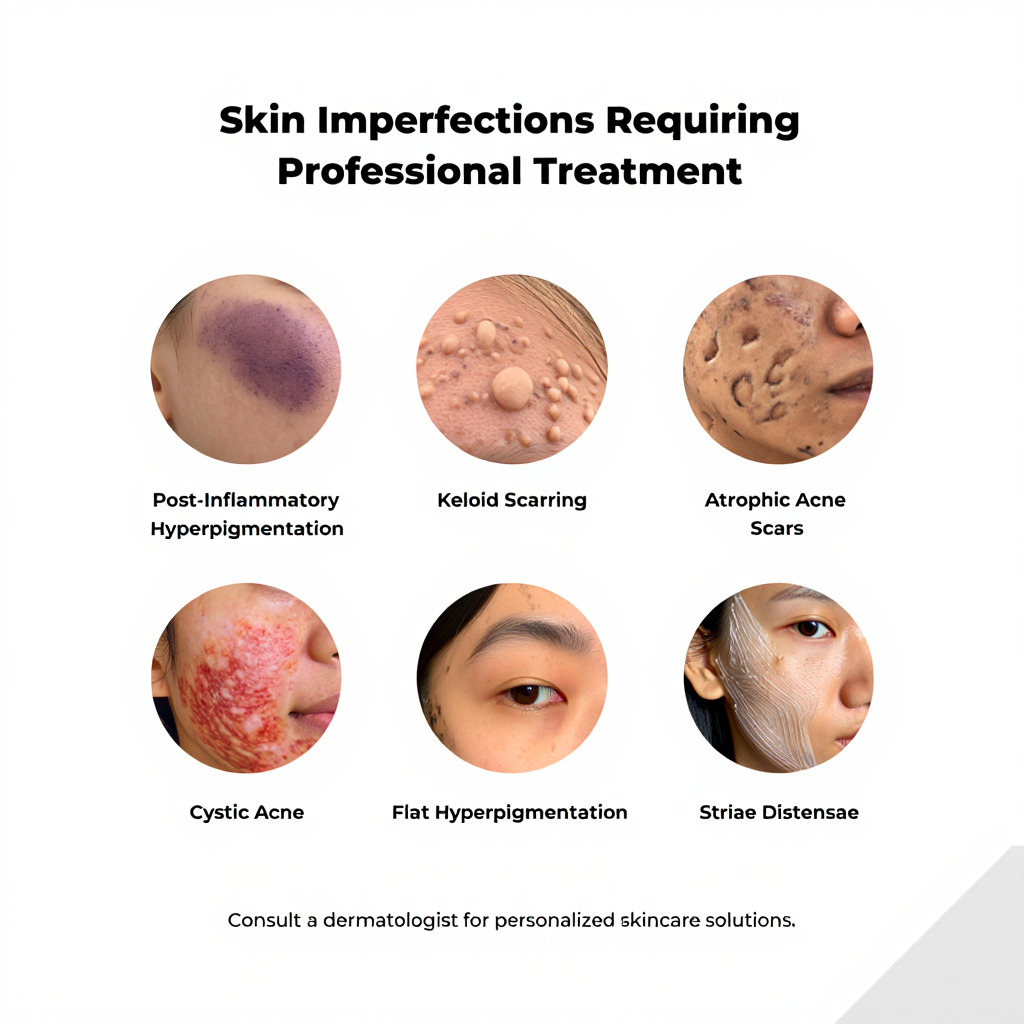
  • How to Treat Acne

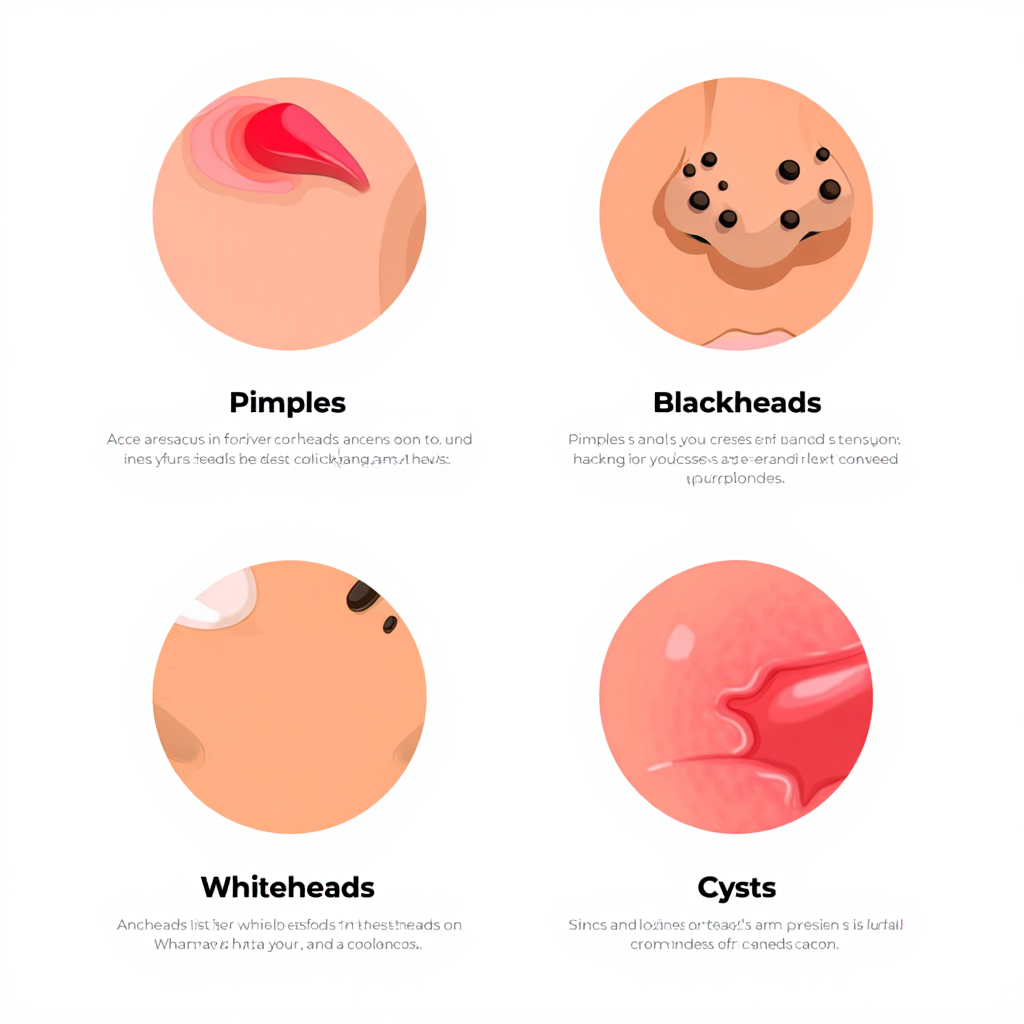
    Acne is one of the most common skin problems, affecting teenagers and adults alike. It can appear as pimples, blackheads, whiteheads, or painful cysts. The good news? With the right care, acne can be reduced and controlled. Here are the best ways to treat acne safely and effectively.


    1. Use a Gentle Cleanser

    Washing your face twice a day helps remove dirt, oil, and bacteria.
    Choose cleansers with:

    • Salicylic Acid
    • Benzoyl Peroxide
    • Tea Tree Oil

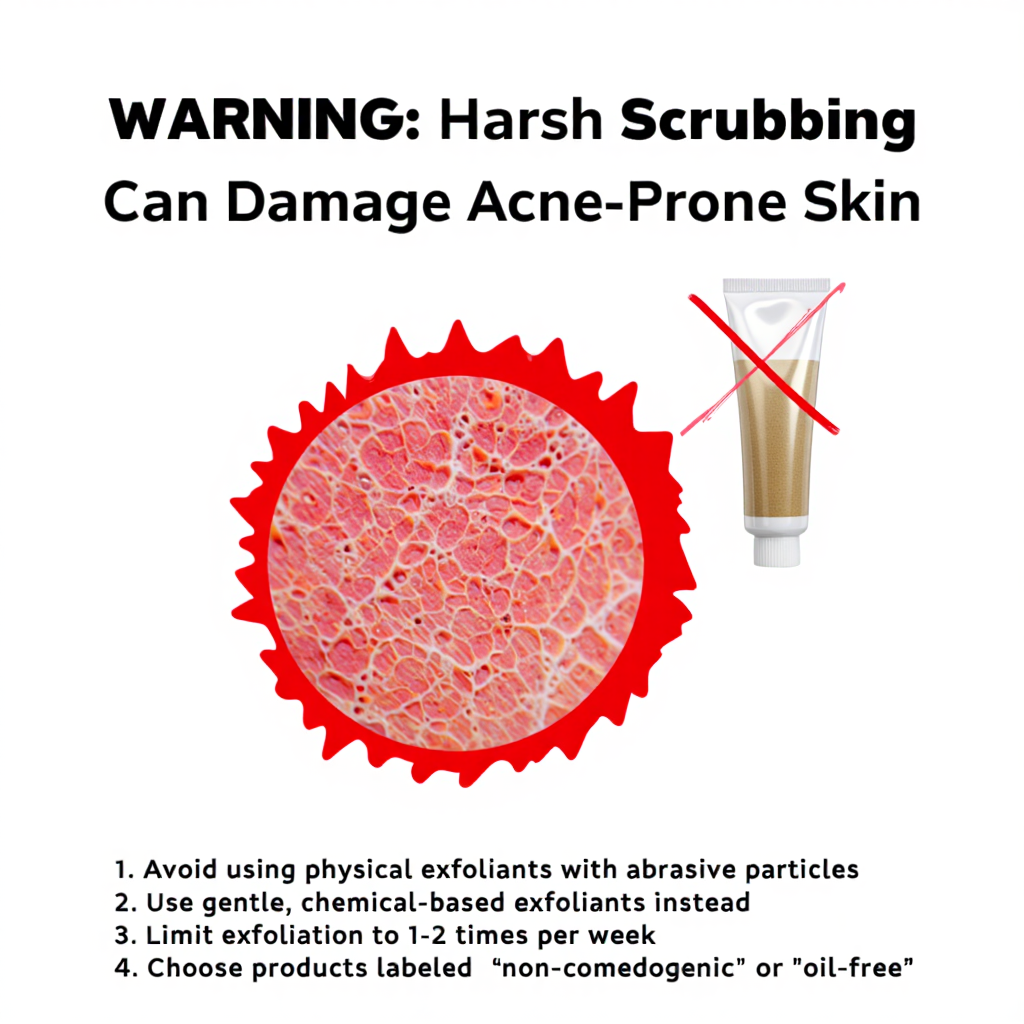
    Avoid harsh scrubbingβ€”it can worsen acne.


    2. Apply Acne-Fighting Ingredients

    Use products containing:

    • Benzoyl Peroxide (kills acne bacteria)
    • Salicylic Acid (clears pores)
    • Niacinamide (reduces redness & inflammation)
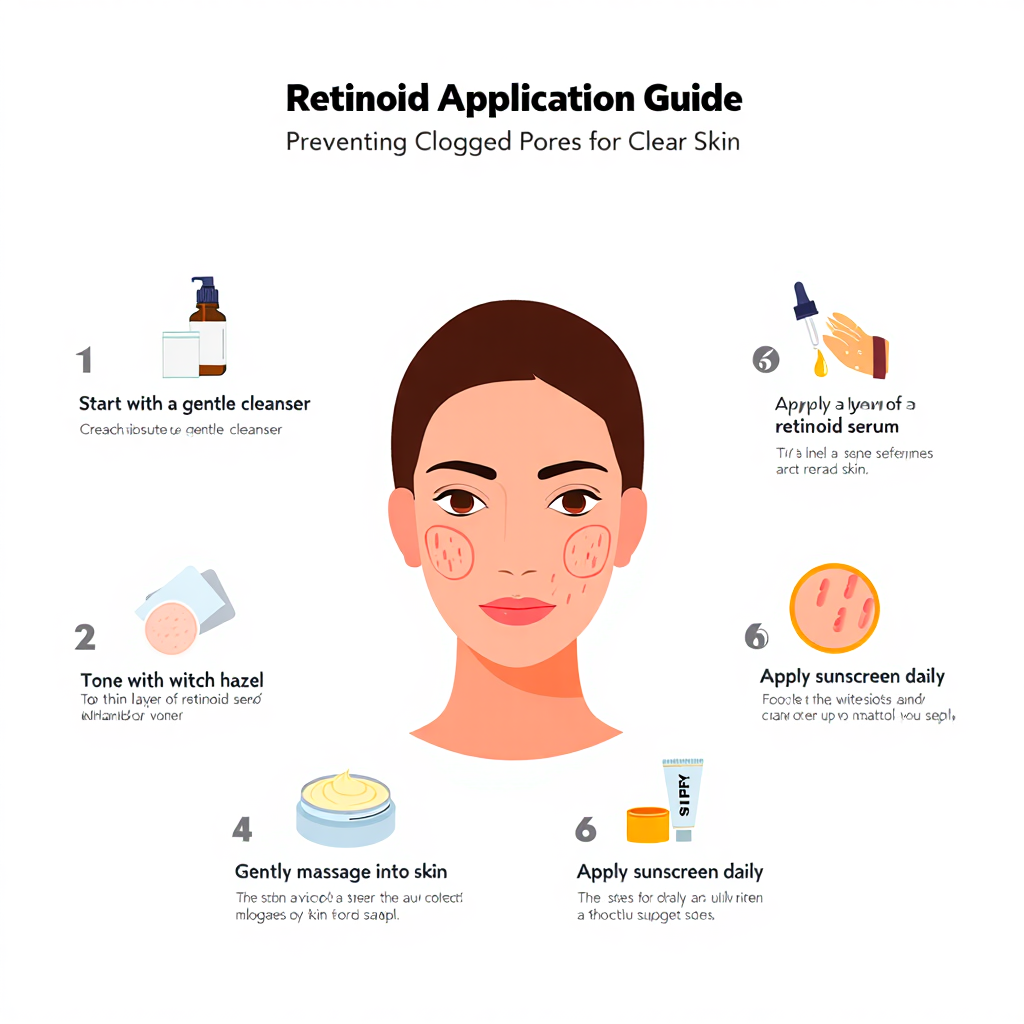
    • Retinoids (prevents clogged pores)

    Start slowly to avoid irritation.


    3. Keep Your Skin Moisturized

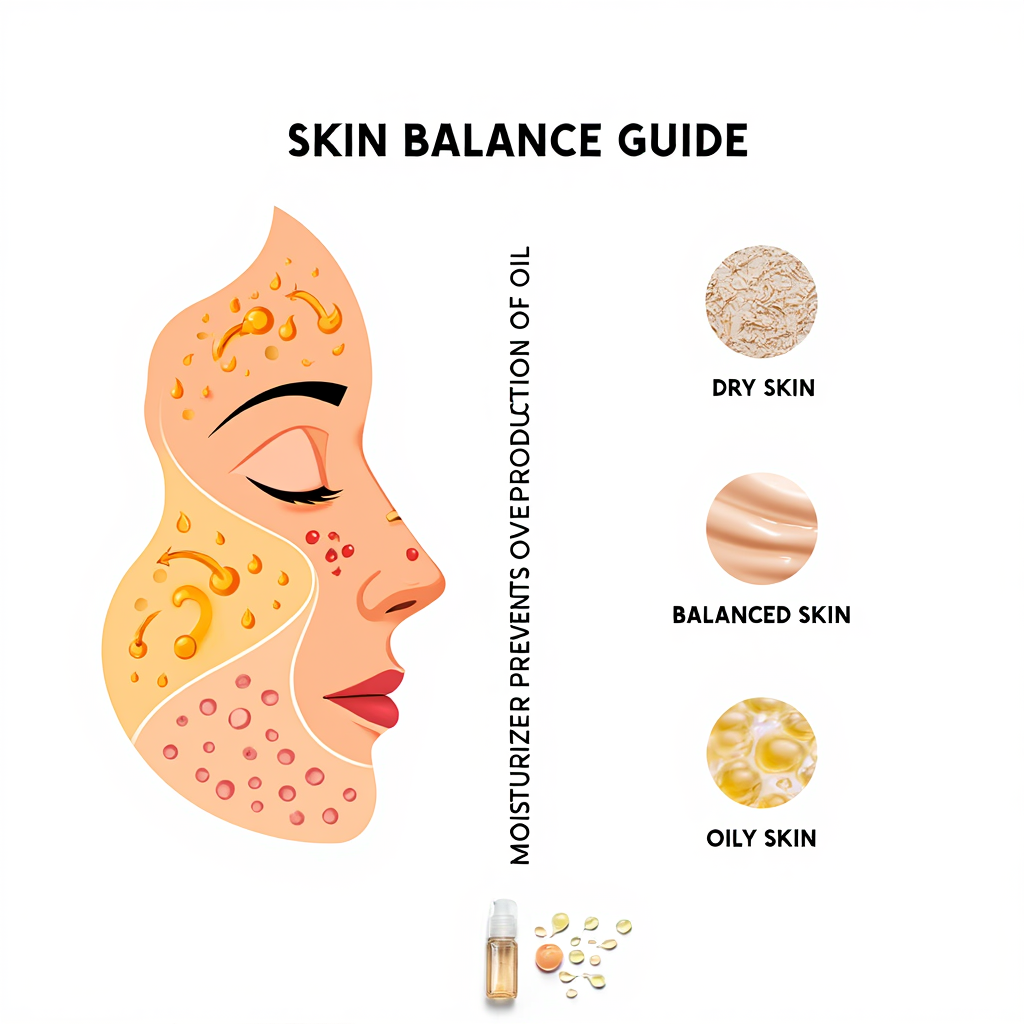
    Even oily skin needs moisture.
    Use an oil-free, non-comedogenic (won’t clog pores) moisturizer to keep skin balanced.


    4. Avoid Touching Your Face

    Touching or popping pimples spreads bacteria and causes scars.
    Let your skin heal naturally.


    5. Maintain a Clean Lifestyle

    • Change pillowcases weekly
    • Clean your phone screen daily
    • Avoid heavy makeup
    • Remove makeup before sleeping

    These small steps reduce breakouts.


    6. Eat Skin-Friendly Foods

    Foods that help reduce acne:

    • Fresh fruits & vegetables
    • Nuts & seeds
    • Whole grains
    • Water & herbal tea

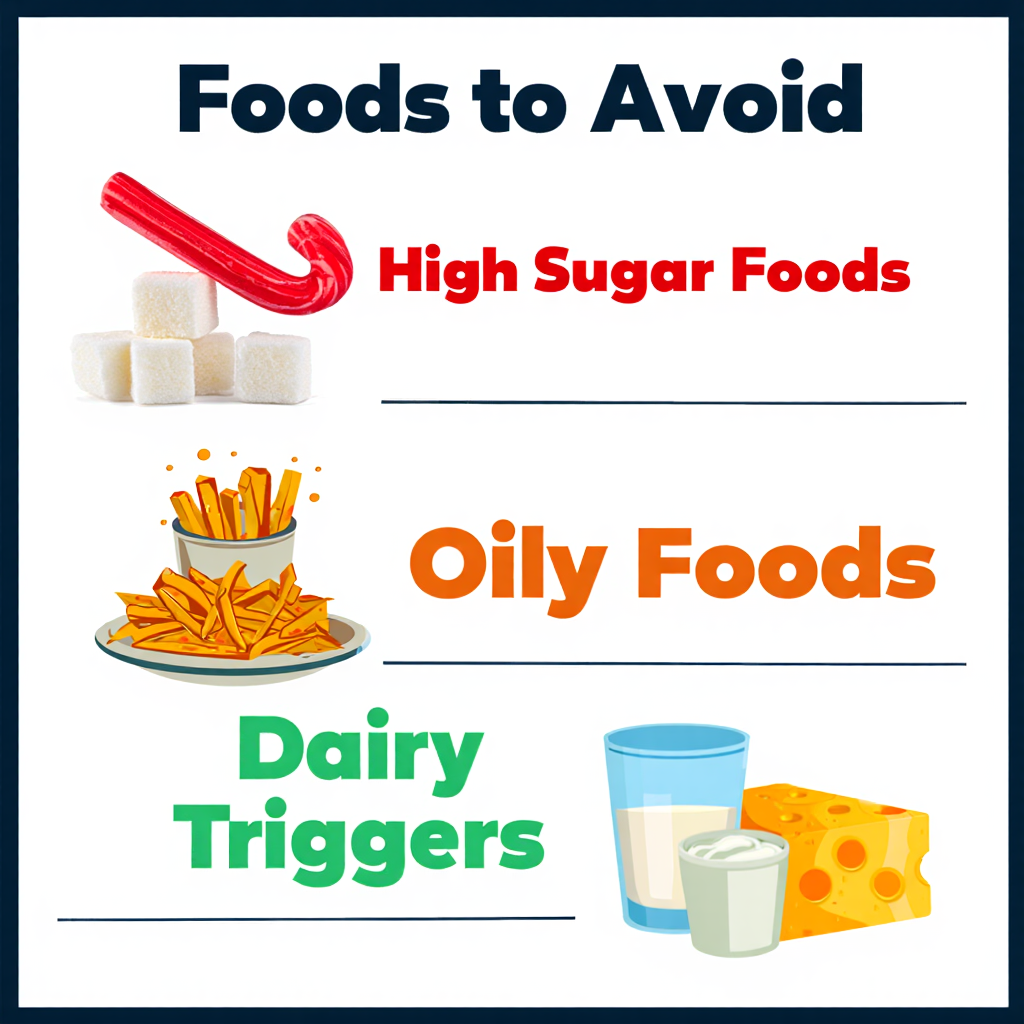
    Avoid too much sugar, oily foods, and dairy (may trigger acne in some people).


    7. Manage Stress

    Stress increases hormones that trigger acne.
    Try deep breathing, meditation, exercise, or a short daily walk.


    8. Visit a Dermatologist for Severe Acne

    If you have:

    • Painful cysts
    • Dark marks or scars
    • Acne lasting more than 3–4 months

    A dermatologist may recommend stronger treatments like medicated creams or oral medicines.


    Final Thoughts

    Acne is treatable with patience and the right routine. Keep your skin clean, avoid harsh products, eat healthy, and be consistent. With time, your skin will become clearer, calmer, and healthier.

    Go back

    Your message has been sent

    Warning
    Warning
    Warning
    Warning.

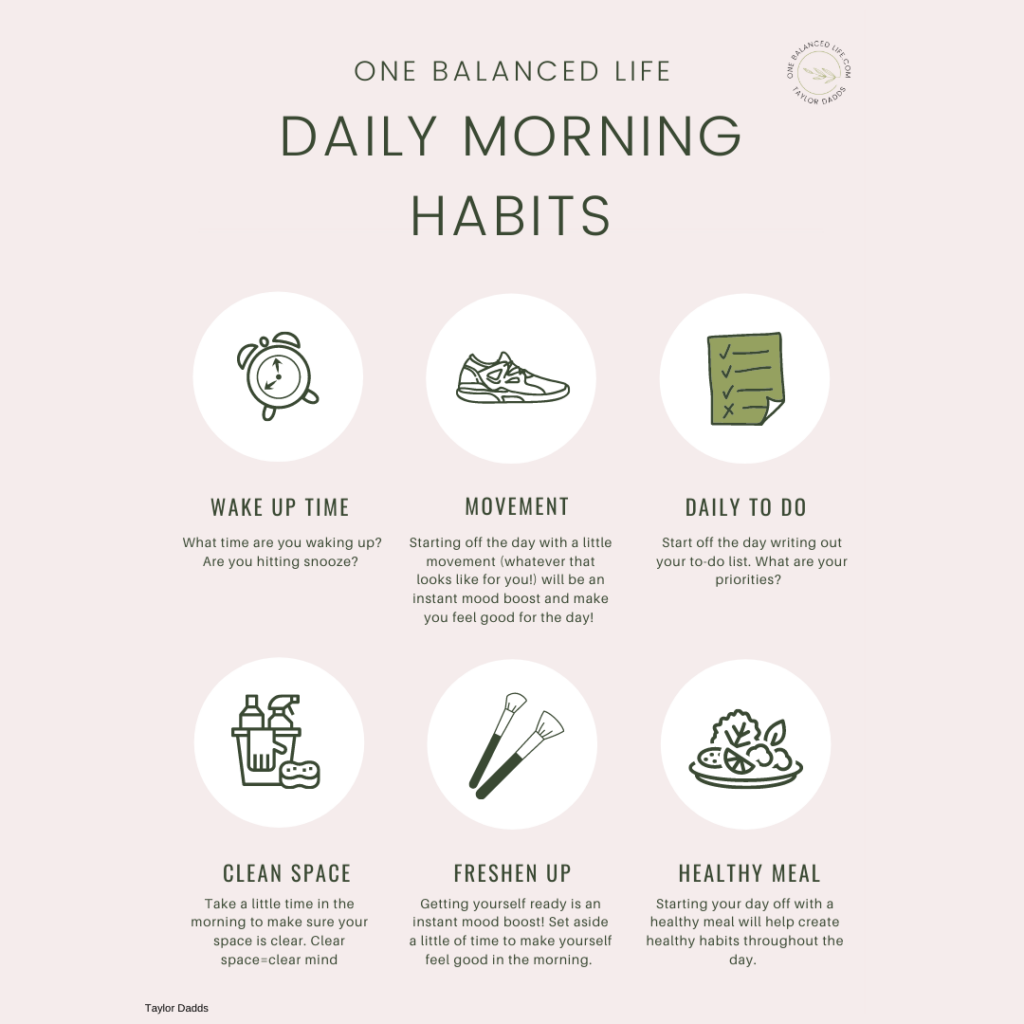
  • How to Develop Healthy Habits

    https://scx2.b-cdn.net/gfx/news/2020/toptipstomai.jpg

    https://readingraphics.com/wp-content/uploads/2025/01/habit-loop-atomic-habits-james-clear-how-to-make-habits-stick.png

    https://onebalancedlife.com/wp-content/uploads/2020/10/OBL-Morning-Habits-1024x1024.png

    Building healthy habits is one of the best ways to improve your body, mind, and overall lifestyle. But real change doesn’t happen overnightβ€”it comes from small steps done consistently. Here’s a simple guide to help you develop healthy habits that last.


    1. Start Small

    Most people fail because they set big, unrealistic goals.
    Instead, start with tiny steps like:

    • 5 minutes of walking
    • 1 glass of extra water
    • 10 minutes of reading

    Small habits are easier to stick to and grow over time.


    2. Be Consistent, Not Perfect

    Consistency matters more than perfection.
    Even if you miss a day, start again the next day without guilt.
    Progress is better than perfection.


    3. Create a Daily Routine

    Habits stick faster when they have a specific time.
    Try setting routines like:

    • Morning exercise
    • Night-time skincare
    • Reading before bed

    Consistency forms discipline.


    https://cdn.shopify.com/s/files/1/0247/8551/8688/articles/Different_habit_trackers_resized_600x.jpg?v=1644852927
    https://www.forthwithlife.co.uk/wp-content/uploads/2021/01/healthy-eating-infographic.jpg
    https://darebee.com/images/workouts/daily-workout.jpg

    4. Make Your Environment Support You

    Your surroundings shape your habits.

    • Keep healthy snacks visible
    • Keep workout clothes ready
    • Remove junk food from your room
    • Keep a water bottle nearby

    A supportive environment reduces excuses.


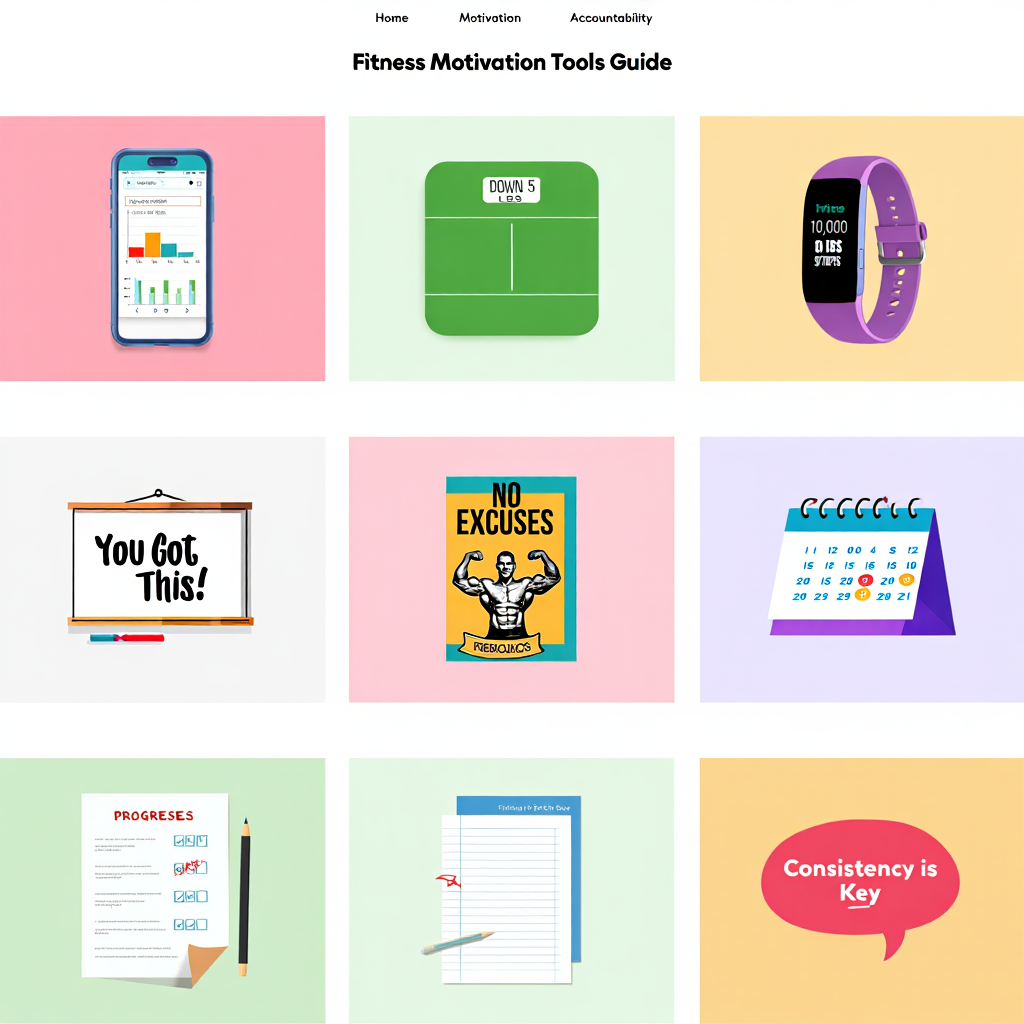
    5. Track Your Progress

    Use a habit tracker, journal, or mobile app.
    Seeing progress motivates you to continue and helps you stay committed.


    6. Find Motivation & Purpose

    Ask yourself why you want this habit.

    • Better health?
    • More energy?
    • Better skin?
    • Peace of mind?

    A strong reason keeps you going even when you feel lazy.


    7. Reward Yourself

    Rewards reinforce positive behavior.
    Celebrate small achievements:

    • A treat
    • A break
    • A relaxing activity

    It makes habit-building enjoyable.


    Final Thoughts

    Healthy habits don’t require big changesβ€”just small steps repeated daily. Start simple, stay consistent, and give yourself time. Soon these small habits will become part of your lifestyle, helping you live healthier, happier, and more confident.

    Go back

    Your message has been sent

    Warning
    Warning
    Warning
    Warning.
  • Top Self-Care Tips

    https://ghost-cms.s3.ap-south-1.amazonaws.com/2024/01/5-Healthy-Lifestyle-Practices-For-A-Balanced-Life_Truworth.jpg

    ⭐ 1. Start Your Morning Calmly

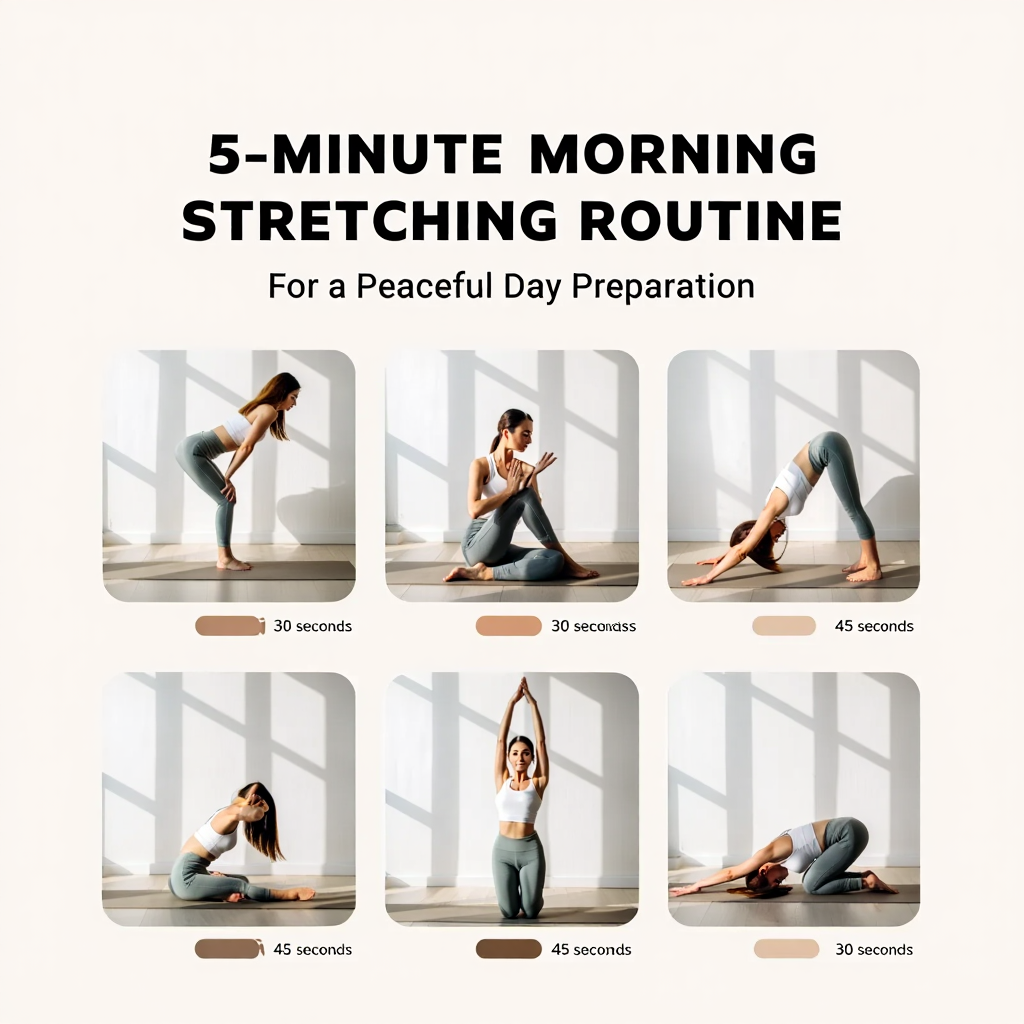
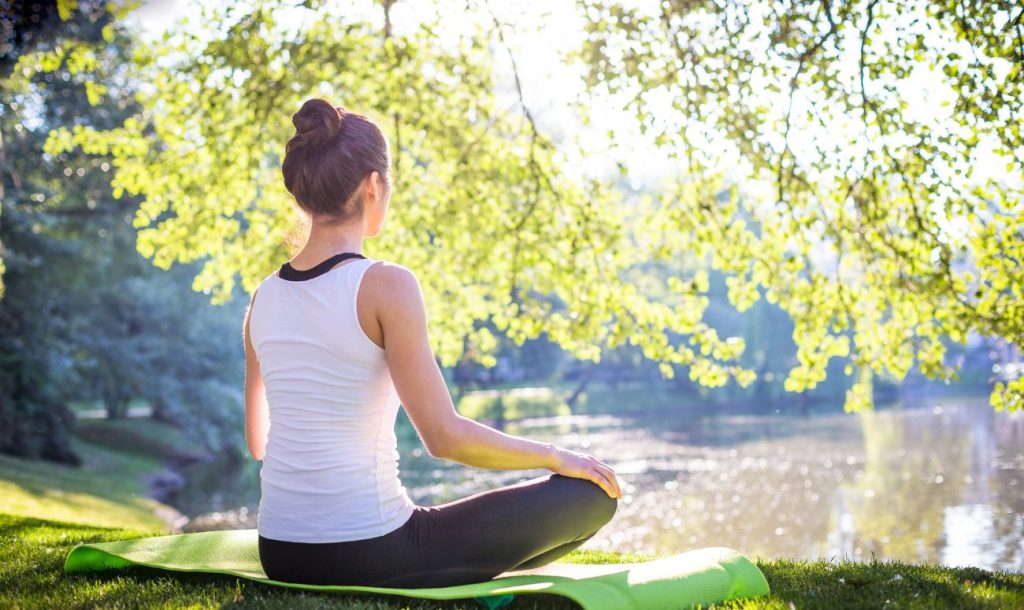
    Instead of rushing, take 5 minutes to stretch, breathe deeply, or sit quietly.
    A peaceful morning sets the tone for your entire day.


    ⭐ 2. Stay Hydrated

    Drink 6–8 glasses of water daily. Proper hydration improves skin, energy, and digestion.


    ⭐ 3. Move Your Body

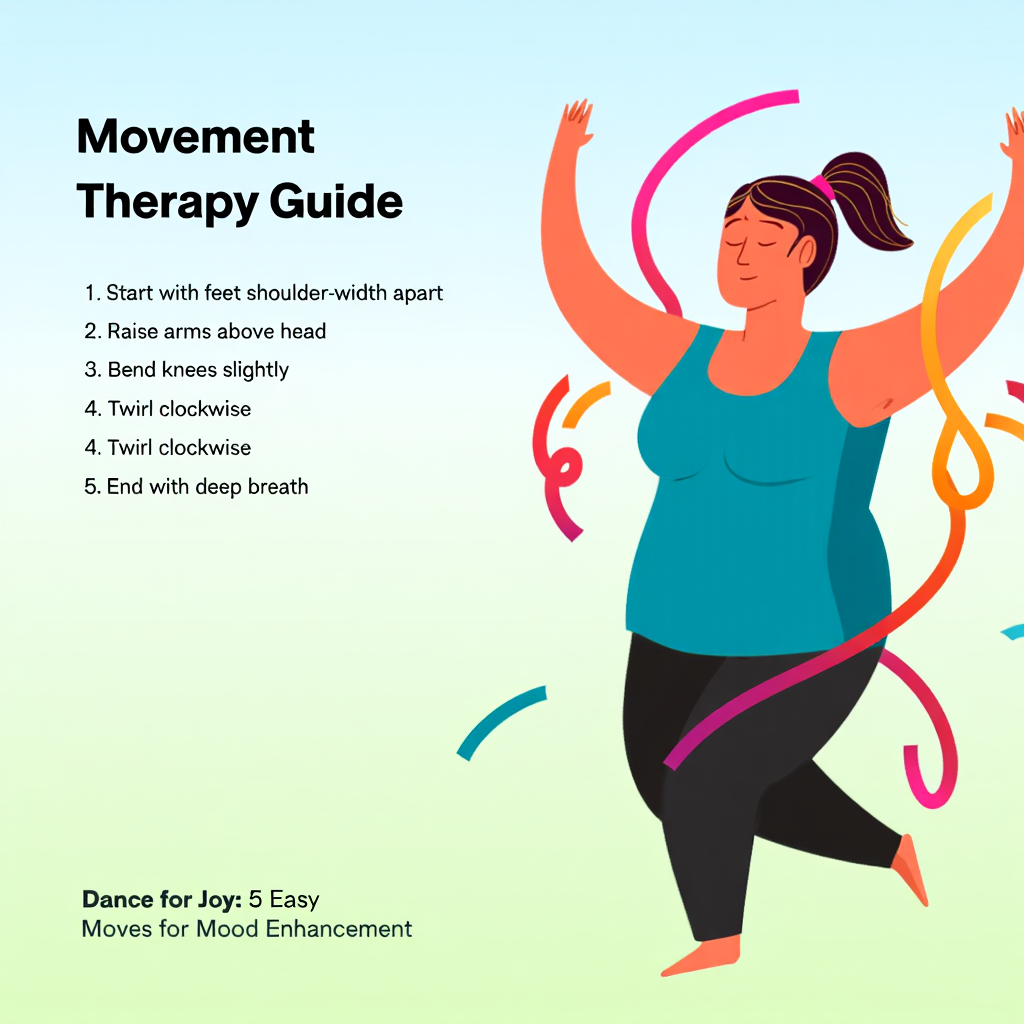
    Choose any activity you enjoyβ€”walking, yoga, dancing, or light exercise.
    Just 15–20 minutes can boost mood and reduce stress.


    ⭐ 4. Take Breaks From Screens

    Too much screen time causes tired eyes, stress, and mental fatigue.
    Use the 20–20–20 rule to relax your eyes.

    https://cchmainsitev2dev.blob.core.windows.net/container1/wp-content/uploads/2021/02/iStock-924858812.jpg

    https://www.thinkrightme.com/wp-content/uploads/2022/12/meditation-to-relaxing-and-calm-minds-feature-image-1024x610.jpg

    https://mavianbeauty.com/cdn/shop/articles/7_DIY_Beauty_Self-Care_Day_Ideas.png?v=1695907758


    ⭐ 5. Eat Nourishing Foods

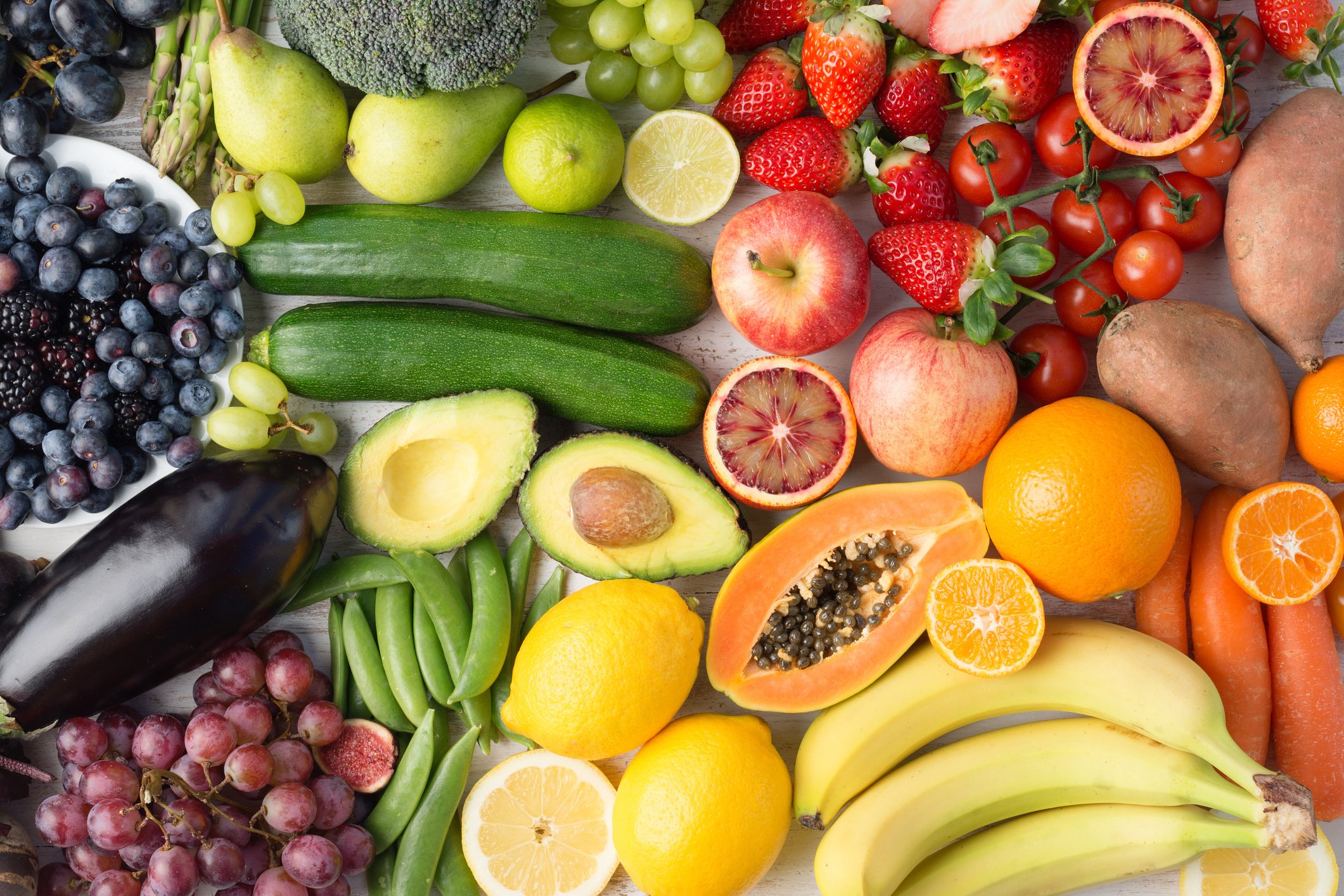
    Fill your plate with fruits, vegetables, nuts, and whole foods.
    Your body and skin reflect what you eat.


    ⭐ 6. Practice Mindfulness

    Simple things like deep breathing, journaling, or meditation help calm your mind and reduce anxiety.


    ⭐ 7. Sleep 7–8 Hours

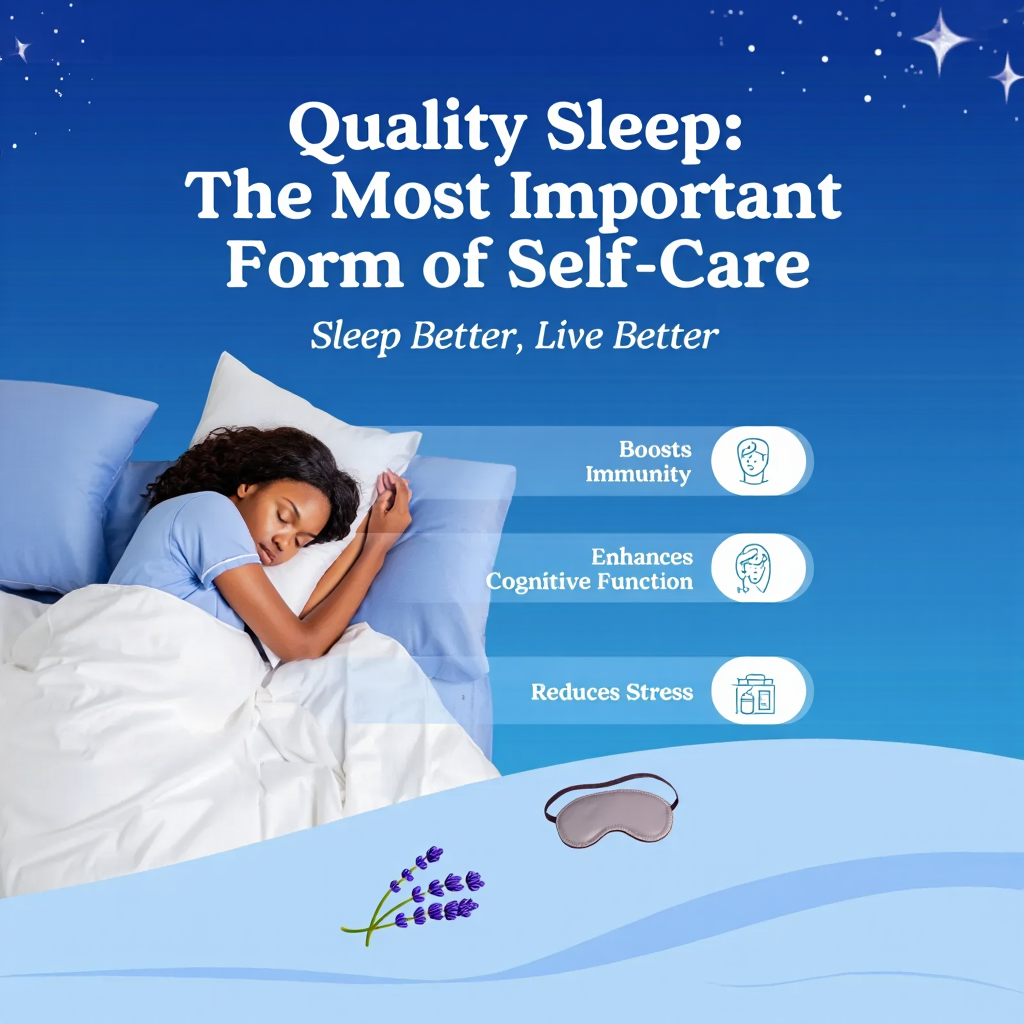
    Quality sleep is one of the most important forms of self-care.
    It repairs your body and refreshes your mood.


    ⭐ 8. Pamper Yourself

    Do small things that make you happy:

    • A warm bath
    • Skincare routine
    • Listening to music
    • Reading a book


    ⭐ 9. Set Healthy Boundaries

    Say β€œno” when needed. Protect your energy and mental health.


    ⭐ 10. Stay Connected

    Talk to friends, family, or someone you trust. Emotional support is also self-care.


    Final Thoughts

    Self-care is not expensive or complicatedβ€”it’s about small habits that support your mental, emotional, and physical well-being. Start with one or two tips and build your own routine over time.

    Go back

    Your message has been sent

    Warning
    Warning
    Warning
    Warning.

  • hydrated to stay body

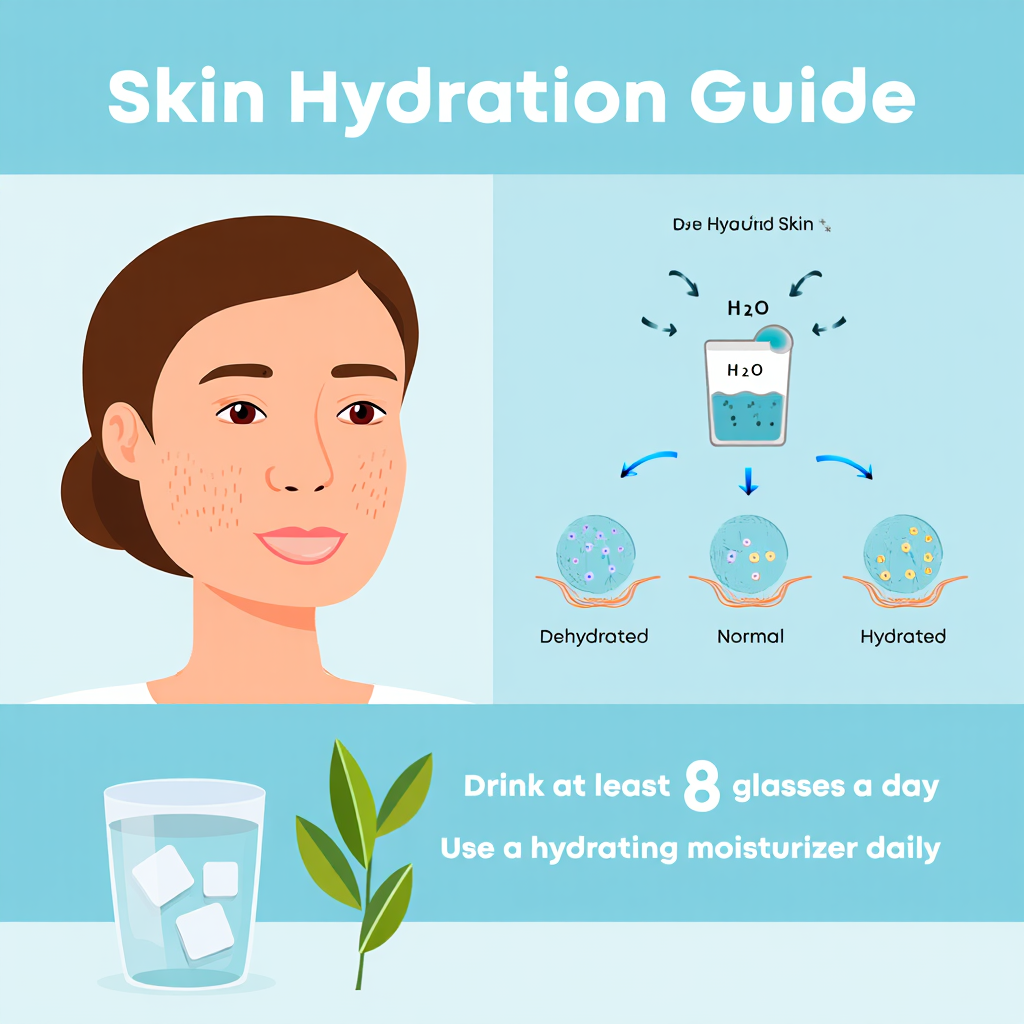
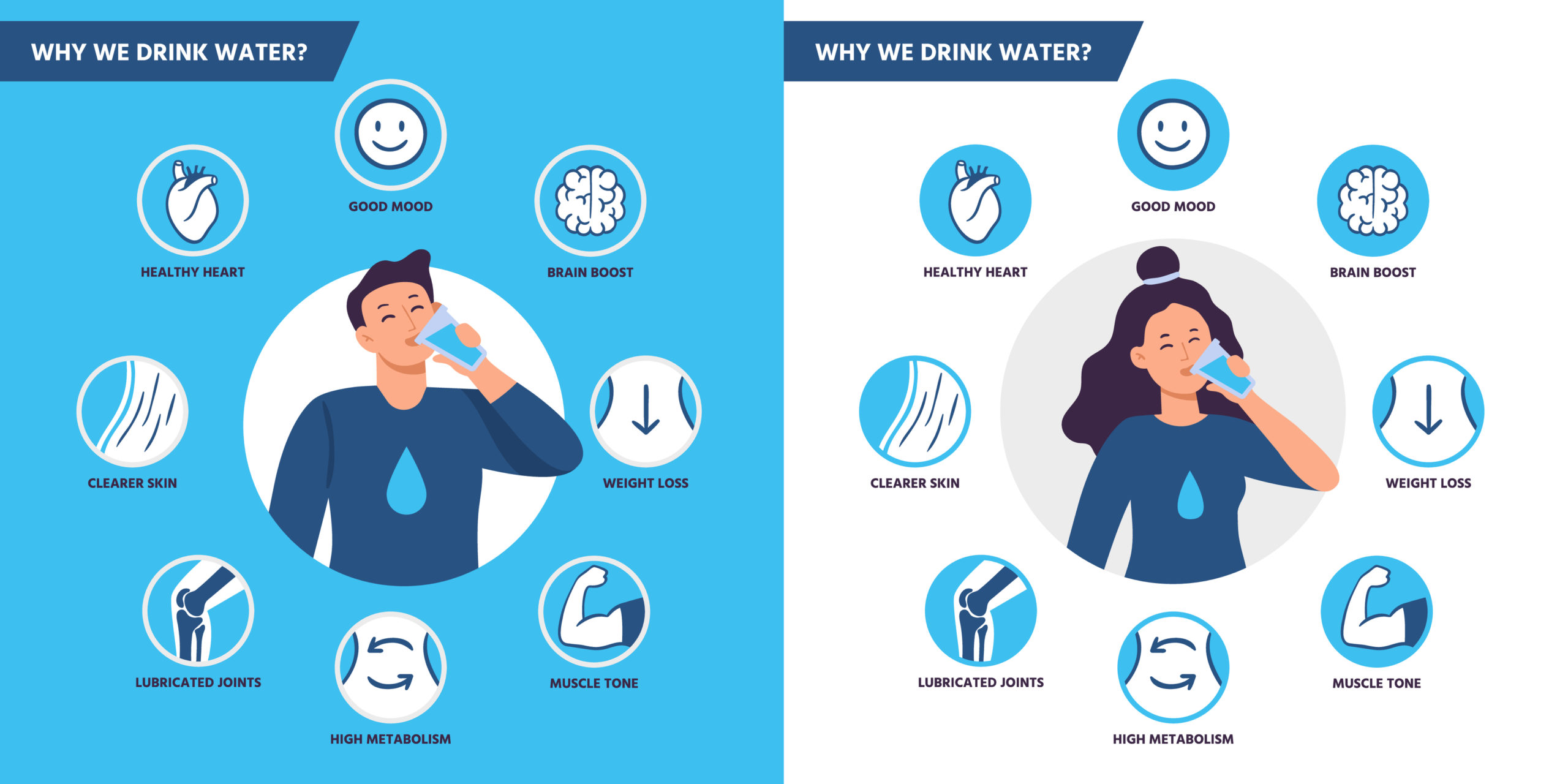
    Staying hydrated is one of the most important things you can do for your health. Water helps your body function properly, keeps your skin glowing, supports digestion, and maintains energy levels. Many people don’t realize how quickly dehydration can affect mood, focus, and overall health. Here are the best ways to stay hydrated every day:

    https://amscardiology.com/wp-content/uploads/2021/07/why-is-hydration-so-important-1-scaled.jpg


    ⭐ 1. Drink Enough Water Daily

    The average person needs 6–8 glasses of water a day.
    If you’re active or live in a hot climate, you may need more.

    https://i.pinimg.com/564x/46/21/7d/46217d285799654b2ad0f6ea324e35f7.jpg


    ⭐ 2. Start Your Day With Water

    Drink one glass of water right after waking up.
    It activates your metabolism and hydrates your body after long hours of sleep.


    ⭐ 3. Carry a Water Bottle

    Keep a bottle with you all dayβ€”at work, school, or while traveling.
    This reminds you to sip water regularly.

    https://www.bestfoodfacts.org/wp-content/uploads/2018/06/best-food-facts-hydration-image-824x325.png


    ⭐ 4. Eat Water-Rich Foods

    Hydration doesn’t come from water alone. Add foods like:

    • Watermelon
    • Cucumber
    • Oranges
    • Strawberries
    • Lettuce
      These boost hydration naturally.

    https://consumer.org.my/wp-content/uploads/2024/02/28-Feb-2024-Fruits-vegetables.jpg

    https://gluttodigest.com/wp-content/uploads/2017/08/fruit-infused-water-e1592247283183.jpg


    ⭐ 5. Limit Caffeine & Sugary Drinks

    Coffee, tea, soda, and energy drinks can dehydrate your body.
    Balance them with extra water.

    https://max-website20-images.s3.ap-south-1.amazonaws.com/Hot_water_benifits_number_8d1eba8776.jpg


    ⭐ 6. Drink Herbal Teas

    Warm herbal teas (mint, chamomile, ginger) are great for hydration without caffeine.


    ⭐ 7. Check Your Urine Color

    A simple way to know if you’re hydrated:

    • Light yellow = good hydration
    • Dark yellow = drink more water


    ⭐ 8. Use Reminders

    Set water reminders on your phone or use hydration apps to help build a routine.


    Final Thoughts

    Hydration is the key to good health. By drinking water regularly, eating hydrating foods, and avoiding dehydration triggers, you can keep your body energetic, glowing, and functioning at its best.

    Go back

    Your message has been sent

    Warning
    Warning
    Warning
    Warning.

  • How to Stay Healthy

    https://scx2.b-cdn.net/gfx/news/2020/toptipstomai.jpg

    https://nutritionsource.hsph.harvard.edu/wp-content/uploads/2012/09/HEPJan2015.jpg

    https://www.nimba.in/wp-content/uploads/2018/03/fitness-vs-wellness-difference-nimba.png

    Staying healthy doesn’t require expensive diets or tough workouts. Small, consistent habits can keep your body fit, mind calm, and energy high. Here are the most effective ways to stay healthy every day:


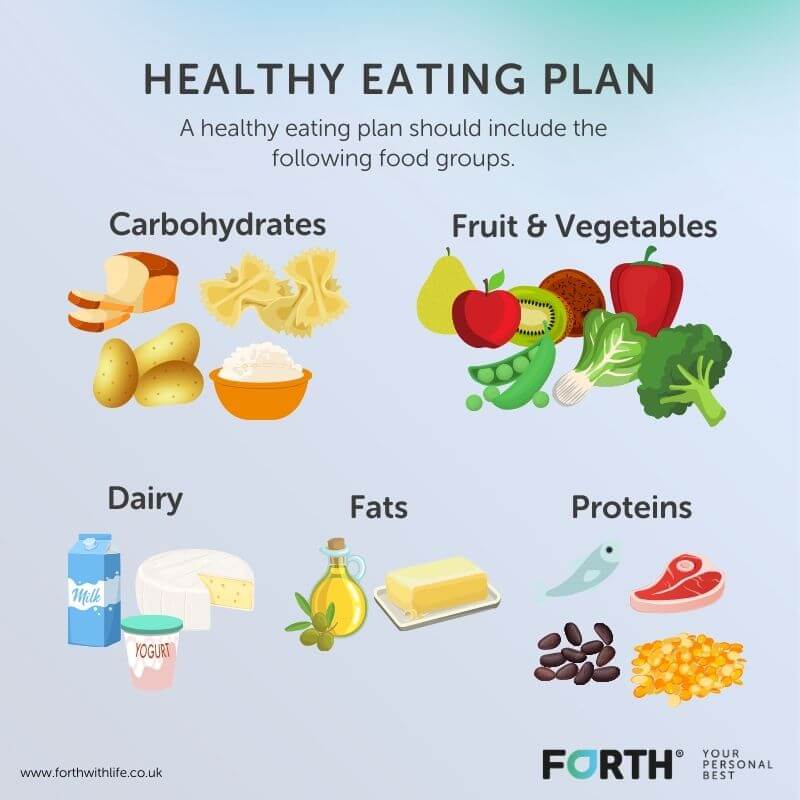
    1. Eat a Balanced Diet

    Your body needs the right fuel to function properly. Include:

    • Fruits and vegetables
    • Whole grains
    • Lean proteins (eggs, chicken, lentils)
    • Healthy fats (nuts, seeds, avocados)

    Avoid junk food, sugary drinks, and deep-fried snacks as much as possible.


    2. Stay Hydrated

    Drink 6–8 glasses of water daily. Staying hydrated helps digestion, skin glow, and overall energy.


    3. Move Your Body Daily

    You don’t need a gymβ€”simple activities matter.
    Try:

    • Walking
    • Yoga
    • Stretching
    • Cycling
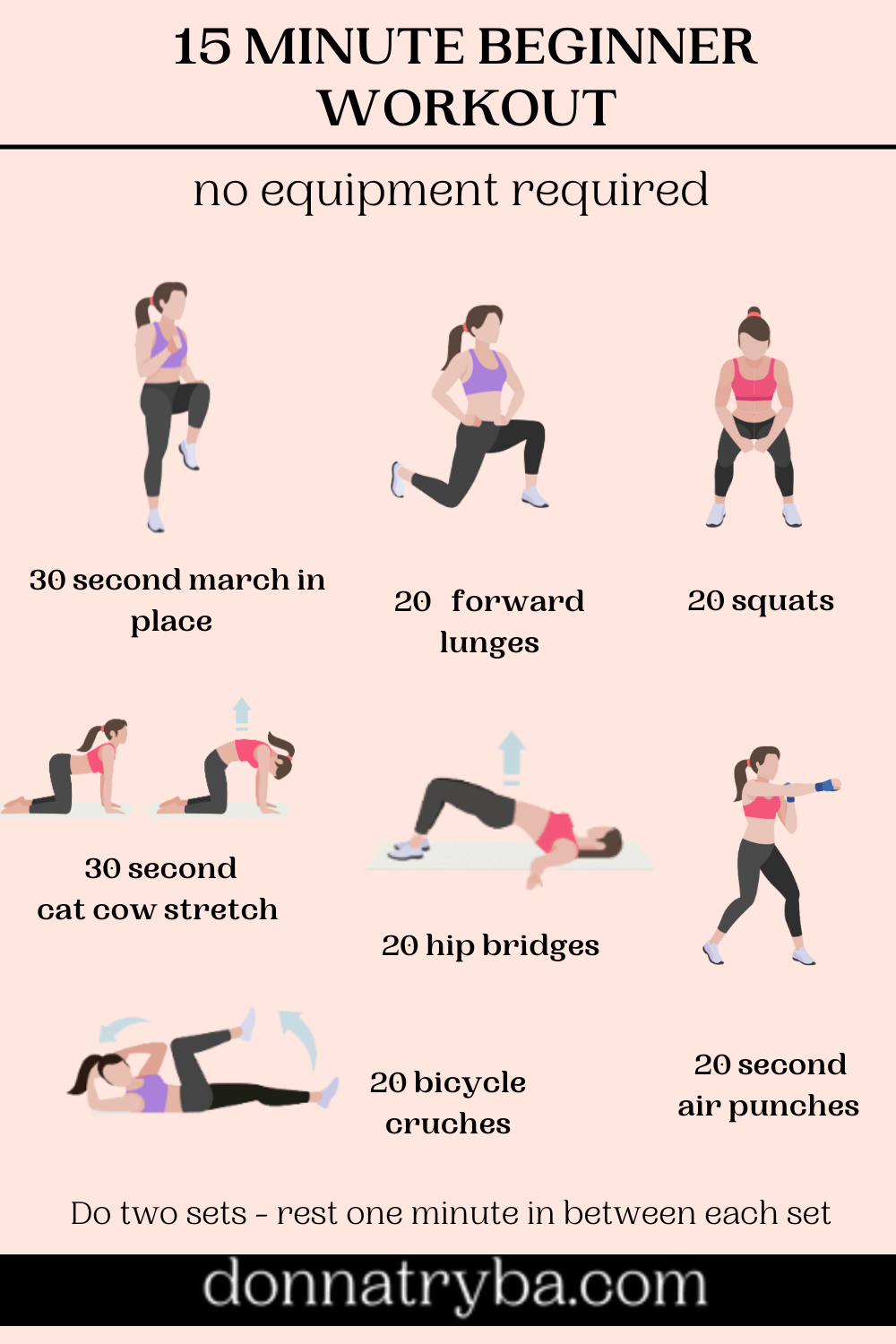
    • Home workouts

    Just 20–30 minutes daily can improve heart health and reduce stress.

    https://www.nordictrack.co.uk/learn/wp-content/uploads/2020/10/Practicing-yoga-at-home.jpg

    https://femina.wwmindia.com/content/2019/dec/benefits-of-morning-walk-infographic.jpg

    https://www.donnatryba.com/wp-content/uploads/2021/11/54.png


    4. Get Enough Sleep

    Your body repairs itself during sleep.
    Aim for 7–8 hours every night. Good sleep improves memory, immunity, and mood.


    5. Manage Stress

    High stress harms both mental and physical health.
    Try:

    • Deep breathing
    • Meditation
    • Listening to music
    • Spending time in nature


    6. Maintain Hygiene

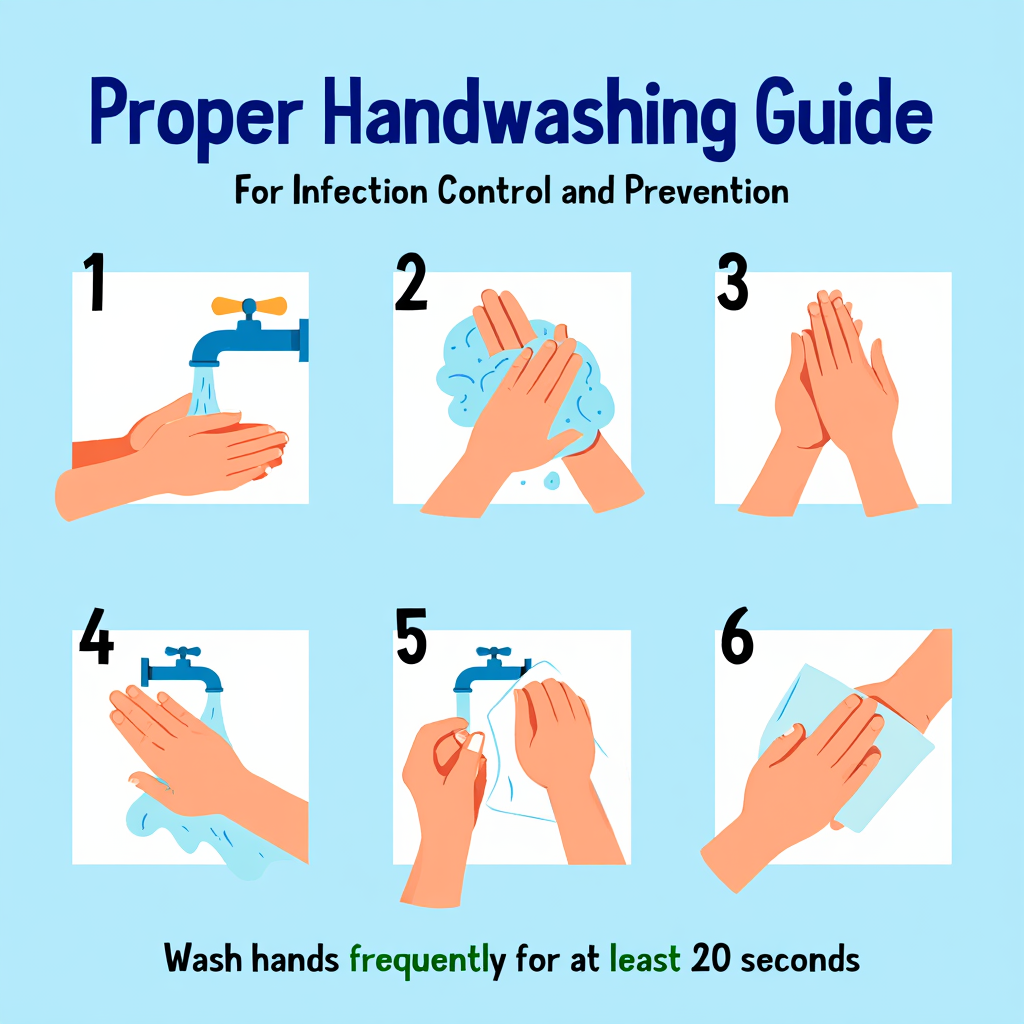
    Good hygiene prevents infections.

    • Wash hands often
    • Bathe regularly
    • Keep nails clean
    • Brush teeth twice a day


    7. Limit Screen Time

    Too much screen use causes eye strain, headaches, and mental fatigue. Take short breaks every hour.


    8. Build Positive Relationships

    Healthy social connections improve happiness and reduce stress. Stay connected with friends and family.


    9. Avoid Smoking & Limit Alcohol

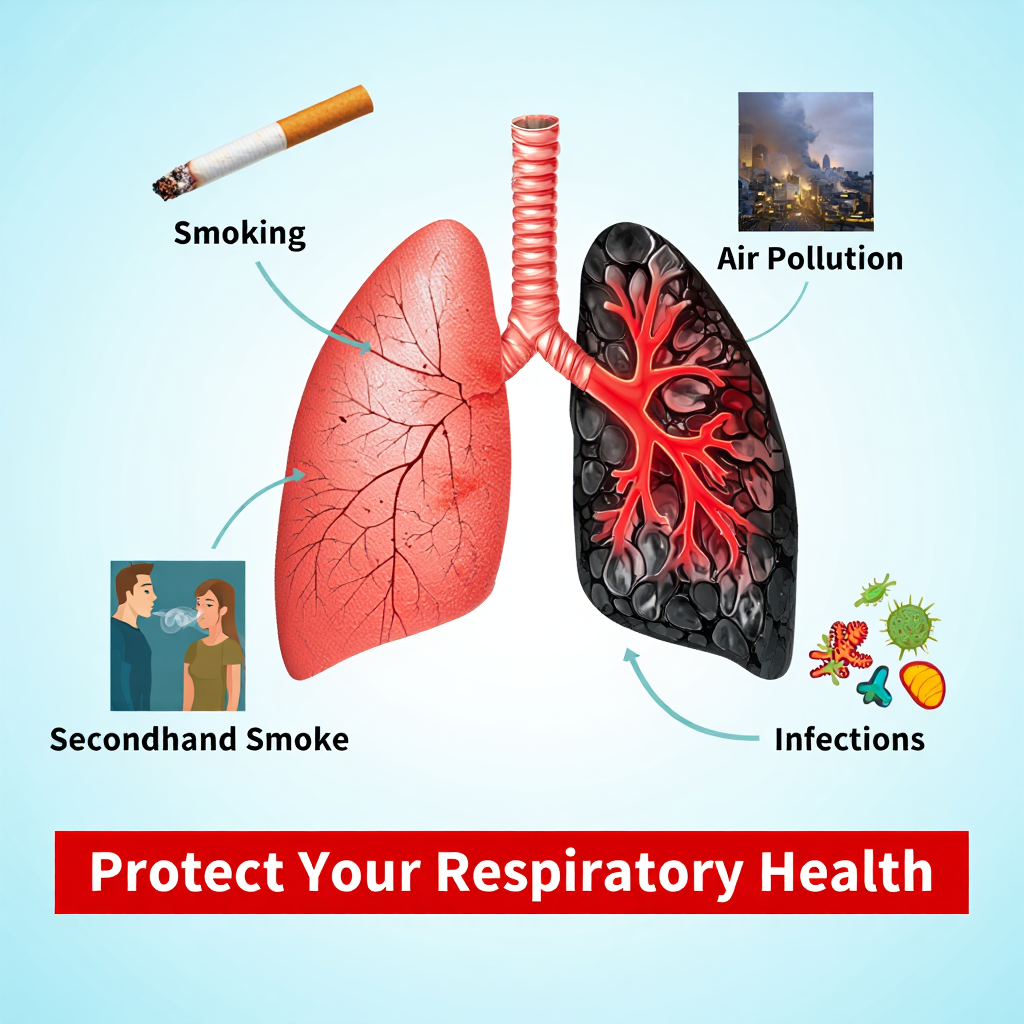
    These habits damage your lungs, heart, liver, and overall health. Reducing them leads to long-term benefits.


    Final Thoughts

    Staying healthy is all about balanceβ€”eat well, stay active, sleep properly, and keep your mind calm. Small steps every day lead to big results over time.

    Go back

    Your message has been sent

    Warning
    Warning
    Warning
    Warning.

  • The Benefits of Walking

    https://content.health.harvard.edu/wp-content/uploads/2023/05/d180019d-76df-4c53-b0e6-d2c668f9d17e.jpg

    https://miro.medium.com/v2/resize%3Afit%3A1400/1%2AJ66db6VUPtsPbtZsdRH4-g.jpeg

    https://hips.hearstapps.com/hmg-prod/images/athletic-women-walking-together-on-remote-trail-royalty-free-image-1626378592.jpg?crop=0.592xw%3A0.789xh%3B0.0884xw%2C0.161xh&resize=640%3A%2A

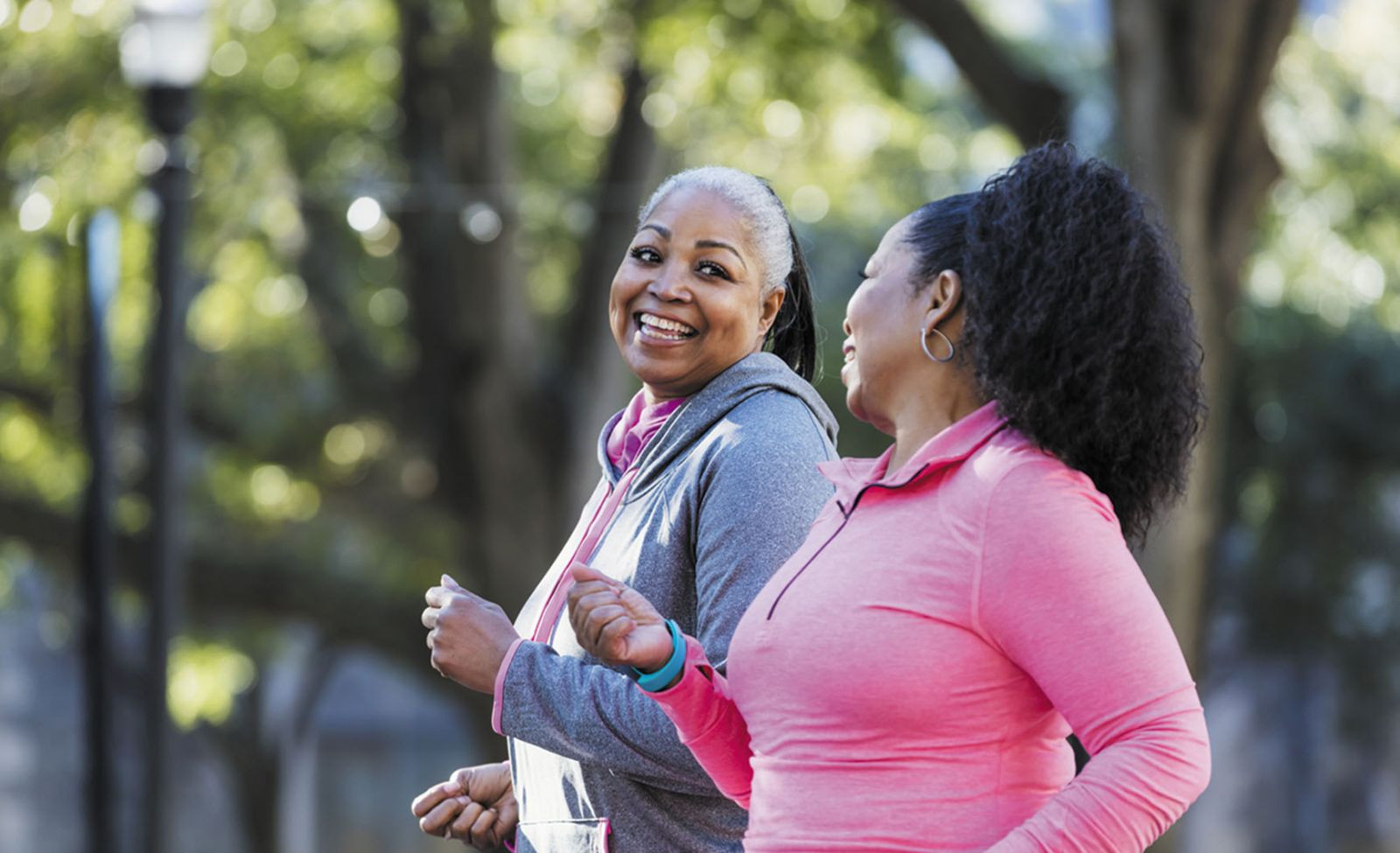
    Walking is one of the easiest and most effective forms of exercise. You don’t need a gym, special equipment, or a strict routineβ€”just a pair of comfortable shoes and a few minutes each day. Whether you walk in the morning, evening, or during breaks, this simple habit can transform your body and mind.


    1. Improves Heart Health

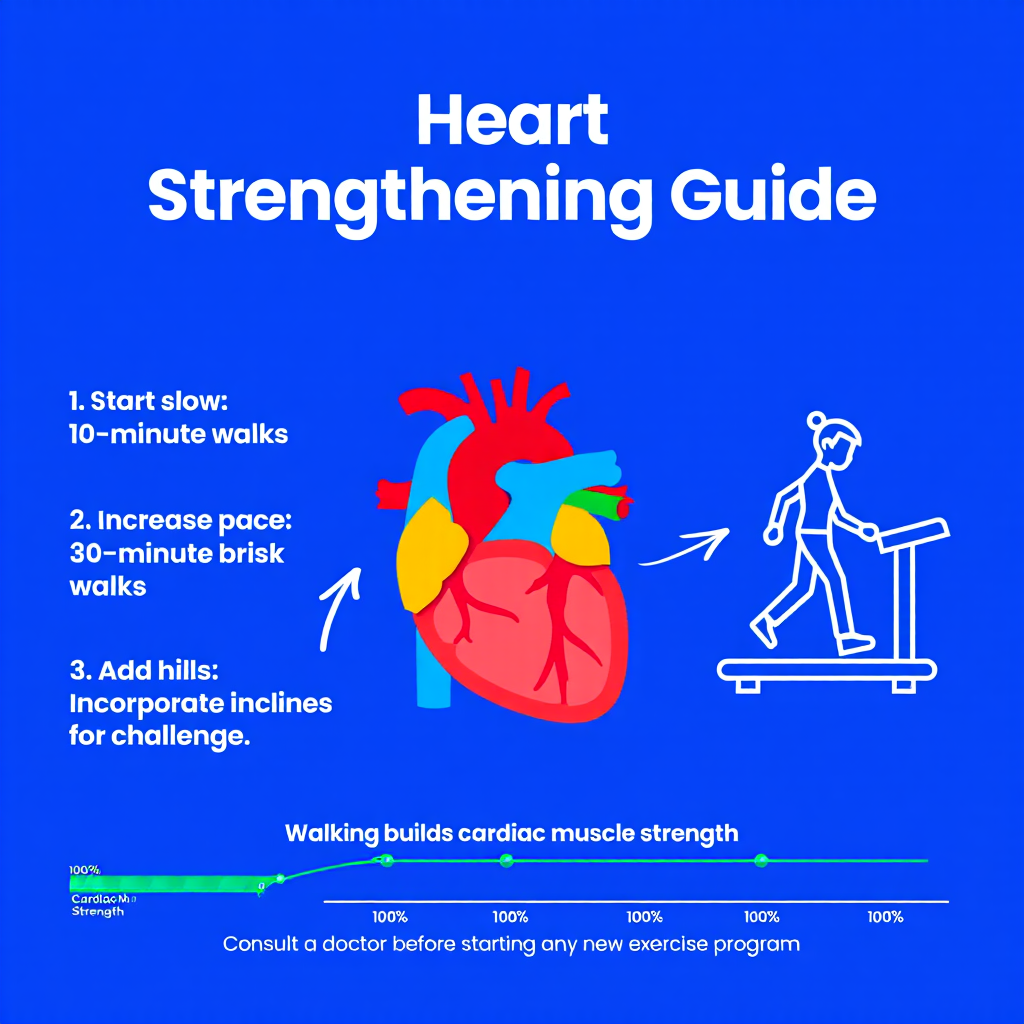
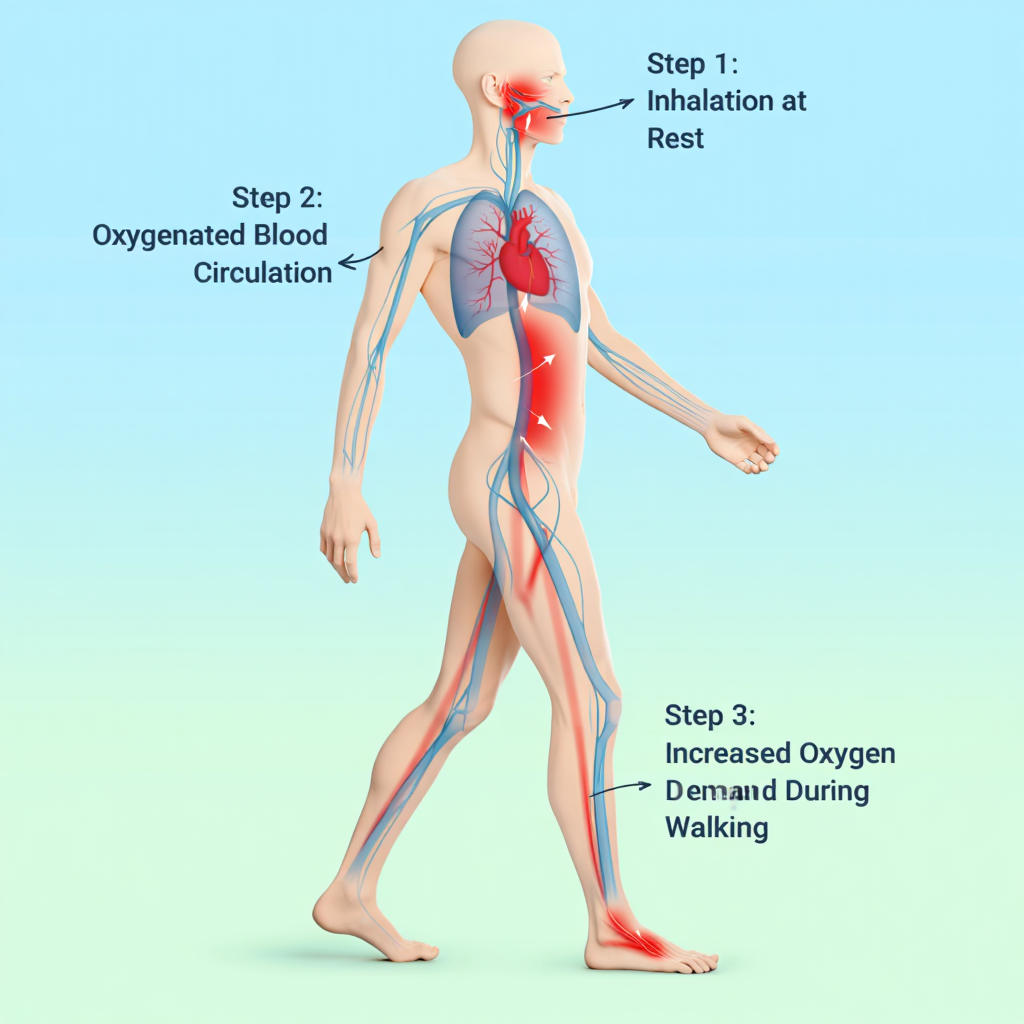
    Walking increases blood circulation, strengthens the heart, and reduces the risk of heart disease. Even a 20–30 minute walk helps keep your heart healthy.


    2. Helps in Weight Management

    Walking burns calories, improves metabolism, and supports fat loss. Regular walking can help maintain a healthy body weight.


    3. Boosts Mood & Reduces Stress

    Walking releases endorphinsβ€”your natural β€œhappy hormones.”
    It reduces stress, anxiety, and improves overall mood. A walk in nature is even more calming.

    https://domf5oio6qrcr.cloudfront.net/medialibrary/5586/w0519f16207259054998.jpg
    https://www.naturemade.com/cdn/shop/articles/walkinginnature.jpg?v=1689970328
    https://st2.depositphotos.com/2931363/5552/i/950/depositphotos_55521565-stock-photo-happy-people-walking-by-the.jpg

    4. Strengthens Muscles & Bones

    Walking tones your legs, strengthens bones, and improves posture. It also reduces the risk of osteoporosis as you age.


    5. Supports Better Digestion

    A short walk after meals helps digestion, reduces bloating, and prevents acidity.


    6. Improves Sleep Quality

    Walking helps relax the body and regulates your sleep cycle, allowing deeper and more restful sleep.


    7. Enhances Immunity

    Daily walking boosts your body’s defense system and helps protect against seasonal illnesses.


    8. Increases Energy Levels

    Walking improves oxygen flow and blood circulation, making you feel more active and energetic throughout the day.


    Final Thoughts

    Walking is a simple habit with powerful health benefits. Just 20–30 minutes a day can improve your physical fitness, mental health, and overall well-being. Start small, stay consistent, and enjoy the positive changes in your body and mind.

    Go back

    Your message has been sent

    Warning
    Warning
    Warning
    Warning.
  • πŸ₯— Indian Vegetarian Diet Plan for Weight Loss

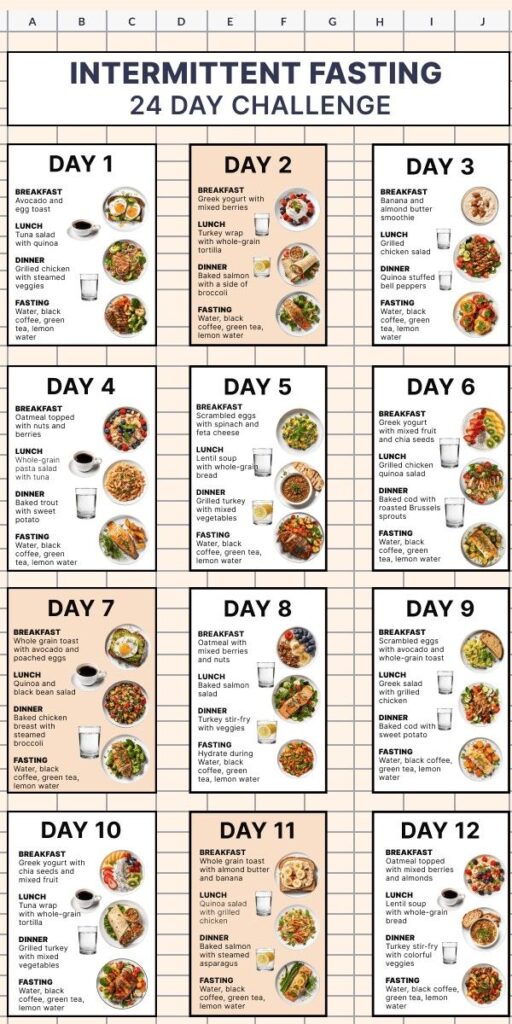
    A vegetarian diet can be highly effective for weight loss when it includes whole grains, lentils, vegetables, fruits, and healthy fats. The key is portion control, balanced nutrition, and minimal processed foods.


    🌱 Daily Meal Structure

    Meal Time Purpose
    Breakfast 7–9 AM Protein and fiber to start the day
    Mid-Morning Snack 10–11 AM Prevents energy dips and curbs hunger
    Lunch 12:30–2 PM Balanced meal with carbs, protein, and vegetables
    Evening Snack 4–5 PM Low-calorie snack to control cravings
    Dinner 7–8:30 PM Light meal to aid digestion and overnight fat burn

    πŸ₯£ Sample Diet Plan (Vegetarian Indian)

    Breakfast Options

    • Moong dal cheela with mint chutney
    • Vegetable upma
    • Oats porridge with fruits and nuts
    • Besan cheela with spinach

    Mid-Morning Snack Options

    • Apple, papaya, or banana
    • Handful of almonds, walnuts, or roasted chana

    Lunch Options

    • Brown rice + dal + sautΓ©ed vegetables
    • Millet khichdi + curd
    • Roti + mixed vegetable curry
    • Vegetable pulao with cucumber raita

    Evening Snack Options

    • Roasted makhana
    • Sprouts salad
    • Green tea with nuts
    • Fresh fruit

    Dinner Options

    • Vegetable soup + 1–2 phulkas
    • Dal with sautΓ©ed vegetables
    • Quinoa or millet salad with curd
    • Stir-fried vegetables with tofu

    🍡 Drinks for Weight Loss

    • Warm lemon water (morning)
    • Green tea or herbal tea
    • Coconut water
    • Low-fat milk or soy milk (optional at night)

    πŸ§˜β€β™€οΈ Tips for Success

    • Eat slowly and mindfully, chew properly
    • Avoid late-night meals
    • Drink at least 2–3 liters of water daily
    • Include light exercise like walking, yoga, or stretching
    • Avoid processed, fried, and sugary foods

    🌟 Benefits

    • Sustainable weight loss without starvation
    • Improved digestion, metabolism, and immunity
    • Increased energy and focus
    • Better skin, hair, and overall wellness

    Go back

    Your message has been sent

    Warning
    Warning
    Warning
    Warning.
  • πŸ₯— Indian Vegetarian Weight Loss Diet – Complete Guide with Recipes

    Losing weight doesn’t have to mean starving yourself or giving up on delicious food. A well-planned vegetarian Indian diet can help you shed pounds, boost energy, and improve overall health while still enjoying flavorsome meals. This diet focuses on high-protein, fiber-rich, and low-calorie recipes, making it suitable for anyone looking to lose weight in a healthy, sustainable way.


    🌱 Why an Indian Vegetarian Diet Works for Weight Loss

    Indian vegetarian meals are naturally rich in lentils, legumes, vegetables, and whole grains, which are high in protein and fiber. These nutrients:

    • πŸ₯¦ Keep you full longer, reducing overeating
    • πŸ₯› Support muscle maintenance while burning fat
    • πŸ› Promote better digestion and metabolism
    • πŸ’§ Provide essential vitamins and minerals for overall health

    Unlike fad diets or extreme calorie restrictions, a balanced vegetarian diet helps you lose weight gradually and sustainably, while keeping your body nourished.


    πŸ₯£ Daily Meal Structure

    To achieve consistent results, structure your day around five small, balanced meals:

    1. Breakfast (7–9 AM)

    • Focus on protein and fiber to energize your day.
    • Examples: Moong dal cheela with mint chutney, oats porridge with fruits, vegetable upma, besan cheela.

    2. Mid-Morning Snack (10–11 AM)

    • Keep energy levels stable and prevent cravings.
    • Examples: Fresh fruits like apple, banana, or papaya; handful of almonds, walnuts, or roasted chana.

    3. Lunch (12:30–2 PM)

    • Balanced meals with complex carbs, protein, and vegetables.
    • Examples: Brown rice + dal + sautΓ©ed vegetables, millet khichdi + curd, roti + mixed vegetable curry, vegetable pulao with cucumber raita.

    4. Evening Snack (4–5 PM)

    • Light snacks to curb cravings and keep metabolism active.
    • Examples: Roasted makhana, sprouts salad, green tea with nuts, fresh fruit.

    5. Dinner (7–8:30 PM)

    • Light and easy-to-digest meals for overnight fat burning.
    • Examples: Vegetable soup + 1–2 phulkas, dal with sautΓ©ed vegetables, quinoa or millet salad with curd.


    🍽️ Popular Indian Weight Loss Recipes

    Breakfast Recipes

    • Moong Dal Cheela: Protein-rich lentil pancakes, served with mint chutney.
    • Vegetable Upma: Fiber-rich semolina porridge cooked with fresh vegetables.
    • Oats Porridge: Oats cooked with skimmed milk and topped with fruits and nuts.

    Lunch & Dinner Recipes

    • Brown Rice & Dal Khichdi: A wholesome mix of rice, lentils, and vegetables.
    • Vegetable Stir-Fry with Tofu: High-protein, nutrient-dense, and low-calorie.
    • Quinoa Salad with Vegetables: Light, filling, and rich in fiber.
    • Vegetable Soup: Detoxifying and easy to digest before bedtime.

    Snack Recipes

    • Roasted Makhana (Fox Nuts): Crunchy, protein-rich, and low-calorie.
    • Sprouts Salad: Protein-packed salad with lemon and spices.
    • Green Tea with Nuts: Supports metabolism while satisfying hunger.


    πŸ’‘ Tips for Successful Weight Loss

    1. Portion Control – Even healthy foods can add calories if overeaten.
    2. Mindful Eating – Eat slowly, chew properly, and stop when satisfied.
    3. Hydration – Drink 2–3 liters of water daily; include lemon water and herbal teas.
    4. Exercise – Incorporate at least 30–60 minutes of cardio, strength training, or yoga daily.
    5. Limit Processed Foods – Avoid packaged snacks, sugary drinks, and fried foods.
    6. Consistent Sleep – 7–8 hours of sleep supports metabolism and weight loss.


    🌟 Benefits of a Vegetarian Weight Loss Diet

    • βš–οΈ Promotes sustainable weight loss without starvation
    • 🩺 Improves digestion and metabolism
    • 🌿 Boosts energy, immunity, and mental clarity
    • πŸ’†β€β™€οΈ Enhances skin and hair health
    • πŸ’ͺ Preserves muscle mass while reducing fat
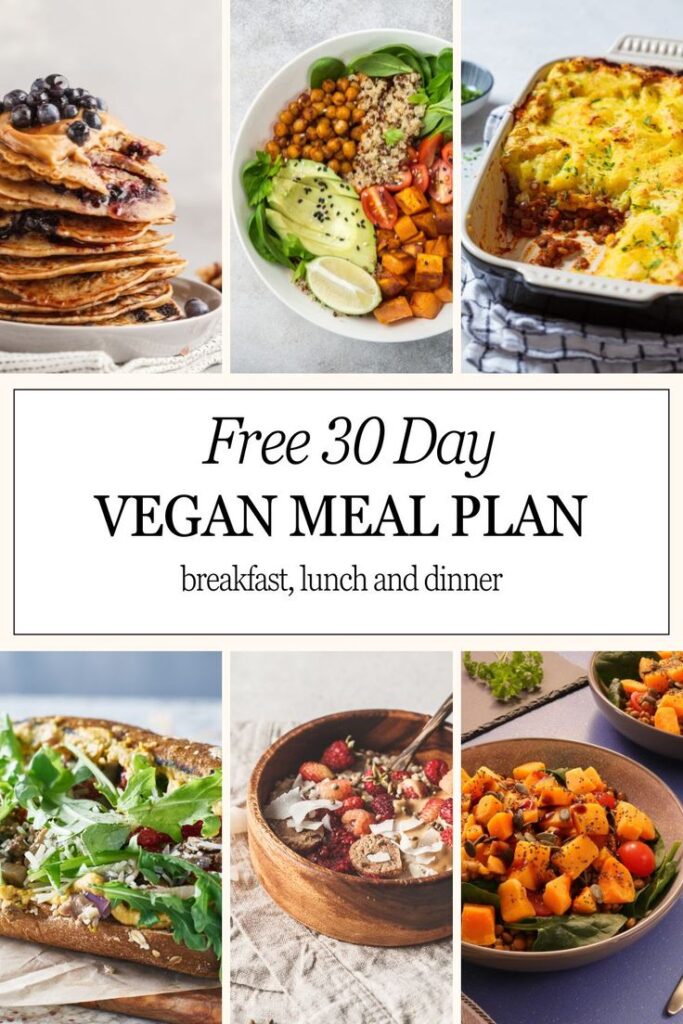

    This Indian vegetarian weight loss diet with recipes is flexible, delicious, and nutritionally balanced. You can swap meals or adjust portion sizes based on your calorie needs, making it ideal for long-term healthy weight management.

    Go back

    Your message has been sent

    Warning
    Warning
    Warning
    Warning.