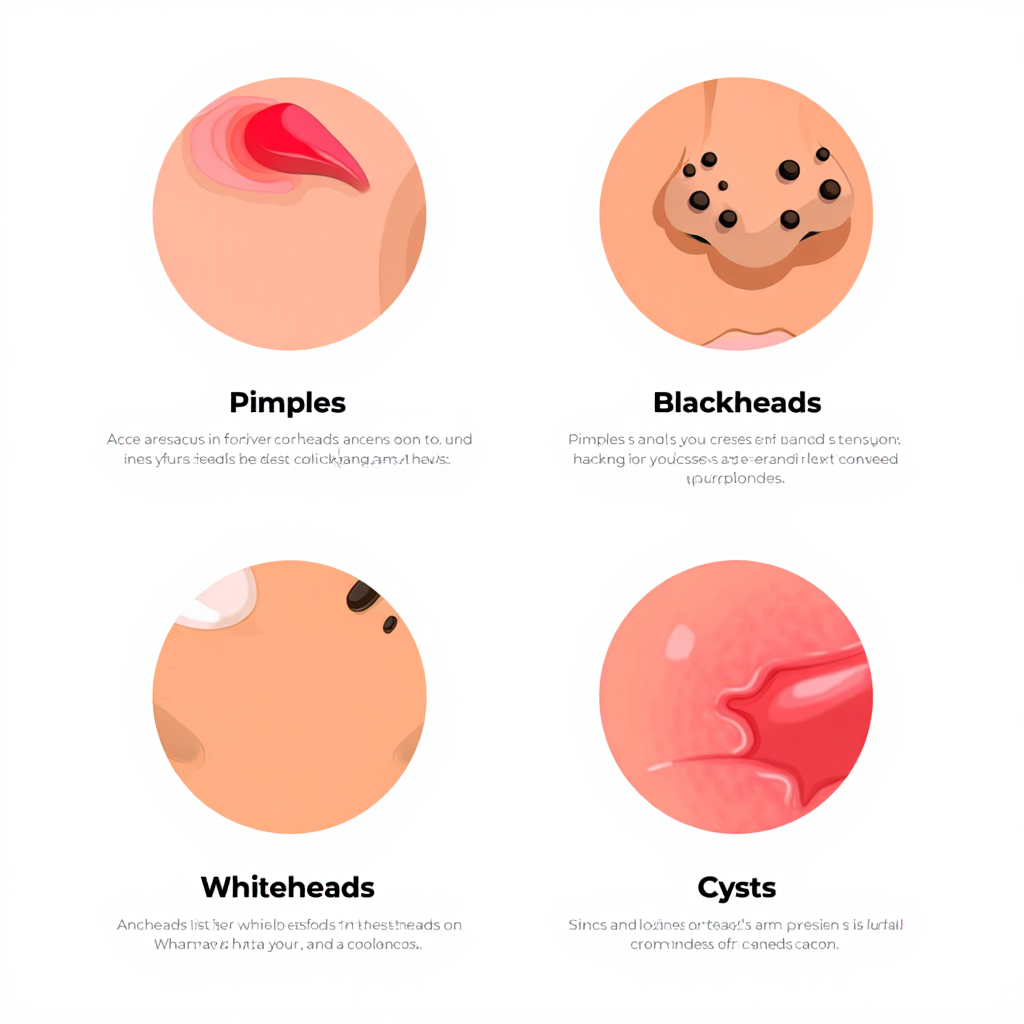
Acne is one of the most common skin problems, affecting teenagers and adults alike. It can appear as pimples, blackheads, whiteheads, or painful cysts. The good news? With the right care, acne can be reduced and controlled. Here are the best ways to treat acne safely and effectively.
1. Use a Gentle Cleanser
Washing your face twice a day helps remove dirt, oil, and bacteria.
Choose cleansers with:
- Salicylic Acid
- Benzoyl Peroxide
- Tea Tree Oil
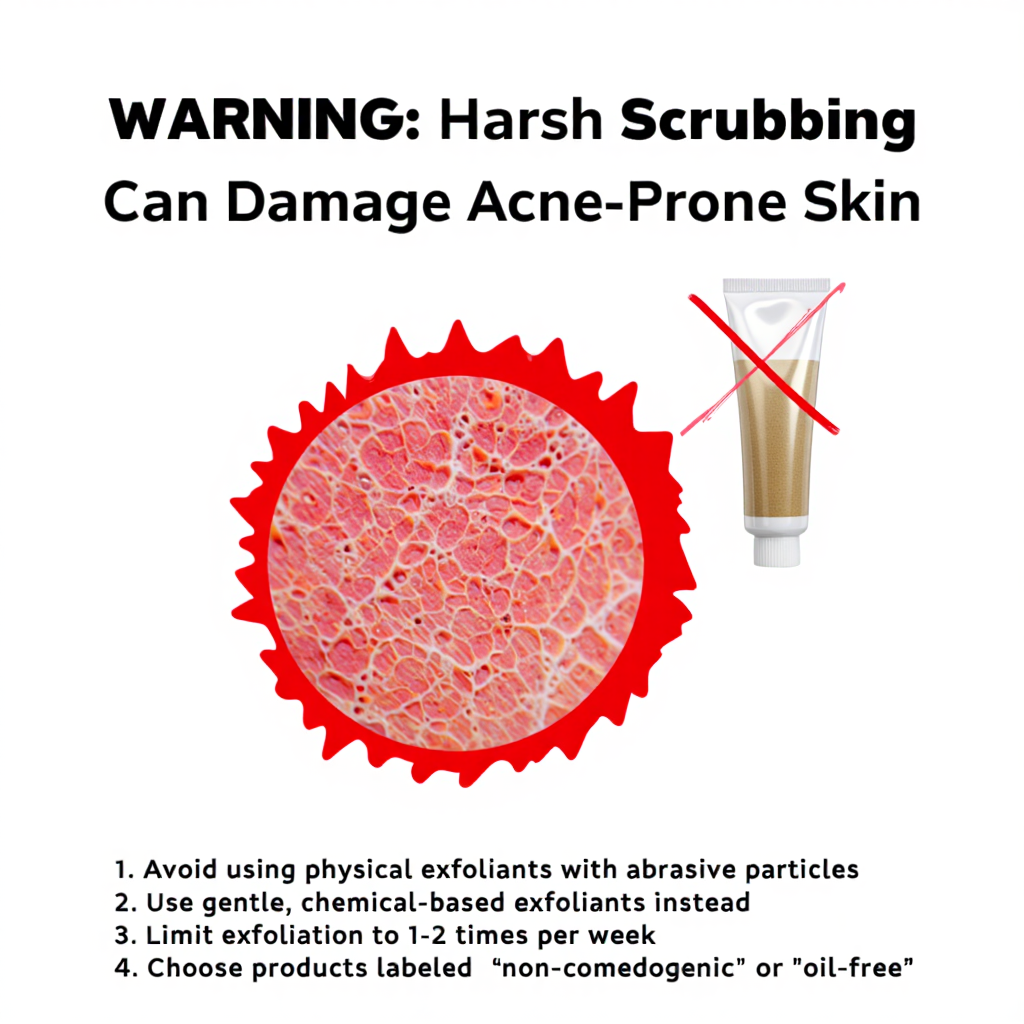
Avoid harsh scrubbing—it can worsen acne.
2. Apply Acne-Fighting Ingredients
Use products containing:
- Benzoyl Peroxide (kills acne bacteria)
- Salicylic Acid (clears pores)
- Niacinamide (reduces redness & inflammation)
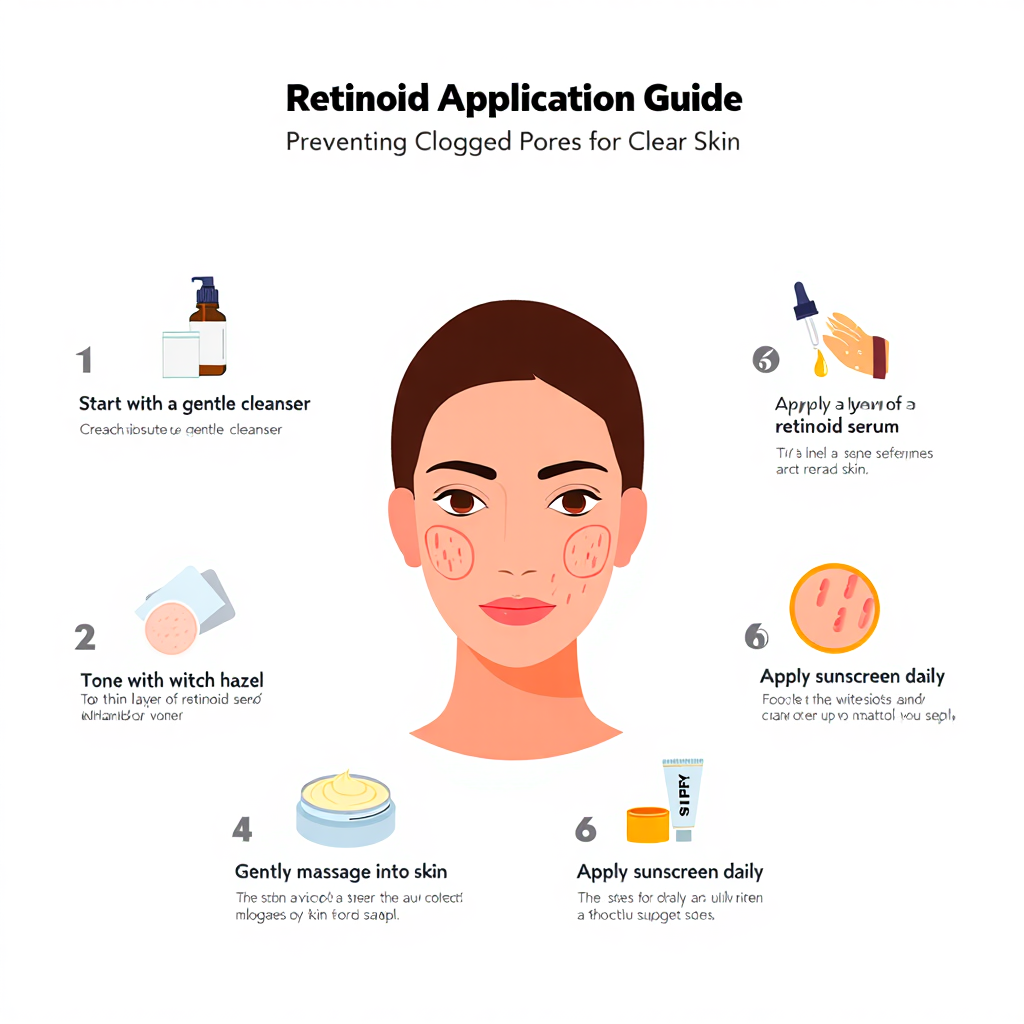
- Retinoids (prevents clogged pores)
Start slowly to avoid irritation.
3. Keep Your Skin Moisturized
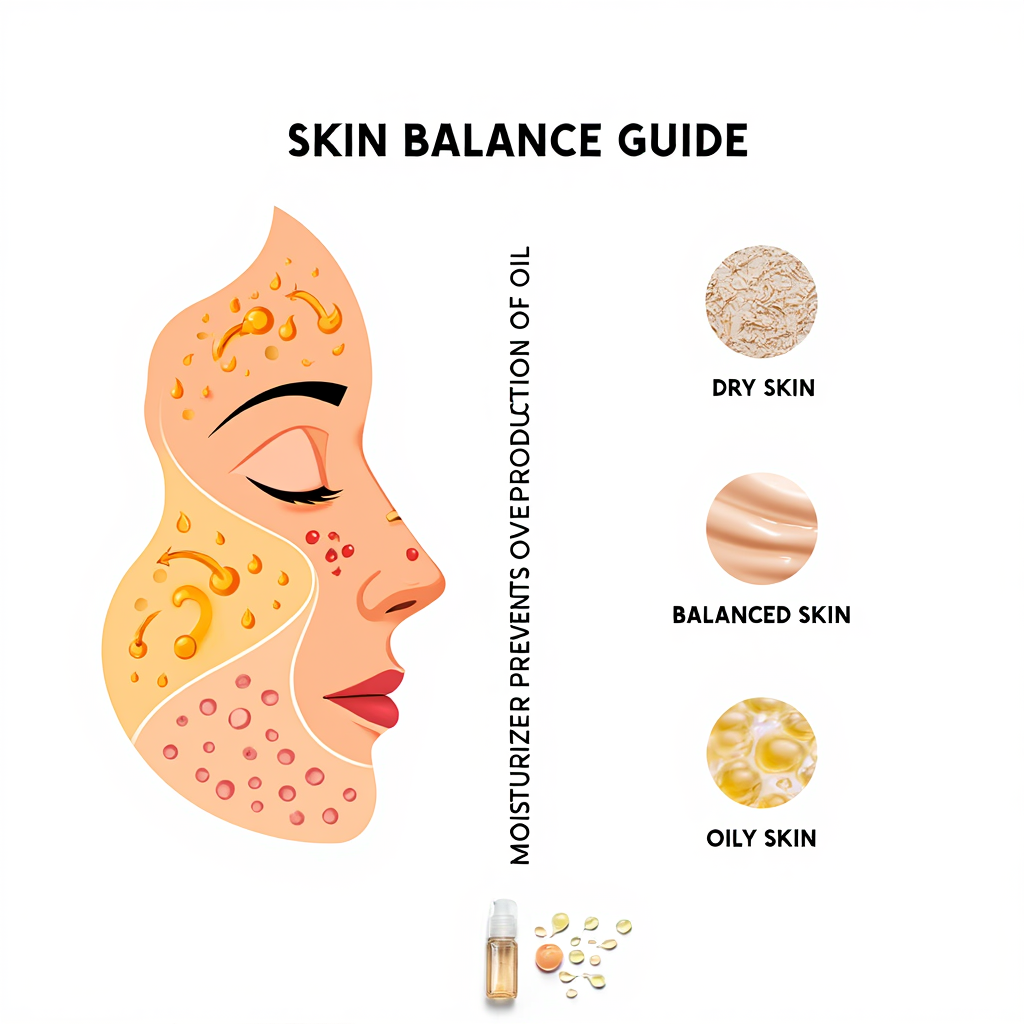
Even oily skin needs moisture.
Use an oil-free, non-comedogenic (won’t clog pores) moisturizer to keep skin balanced.
4. Avoid Touching Your Face
Touching or popping pimples spreads bacteria and causes scars.
Let your skin heal naturally.
5. Maintain a Clean Lifestyle
- Change pillowcases weekly
- Clean your phone screen daily
- Avoid heavy makeup
- Remove makeup before sleeping
These small steps reduce breakouts.
6. Eat Skin-Friendly Foods
Foods that help reduce acne:
- Fresh fruits & vegetables
- Nuts & seeds
- Whole grains
- Water & herbal tea
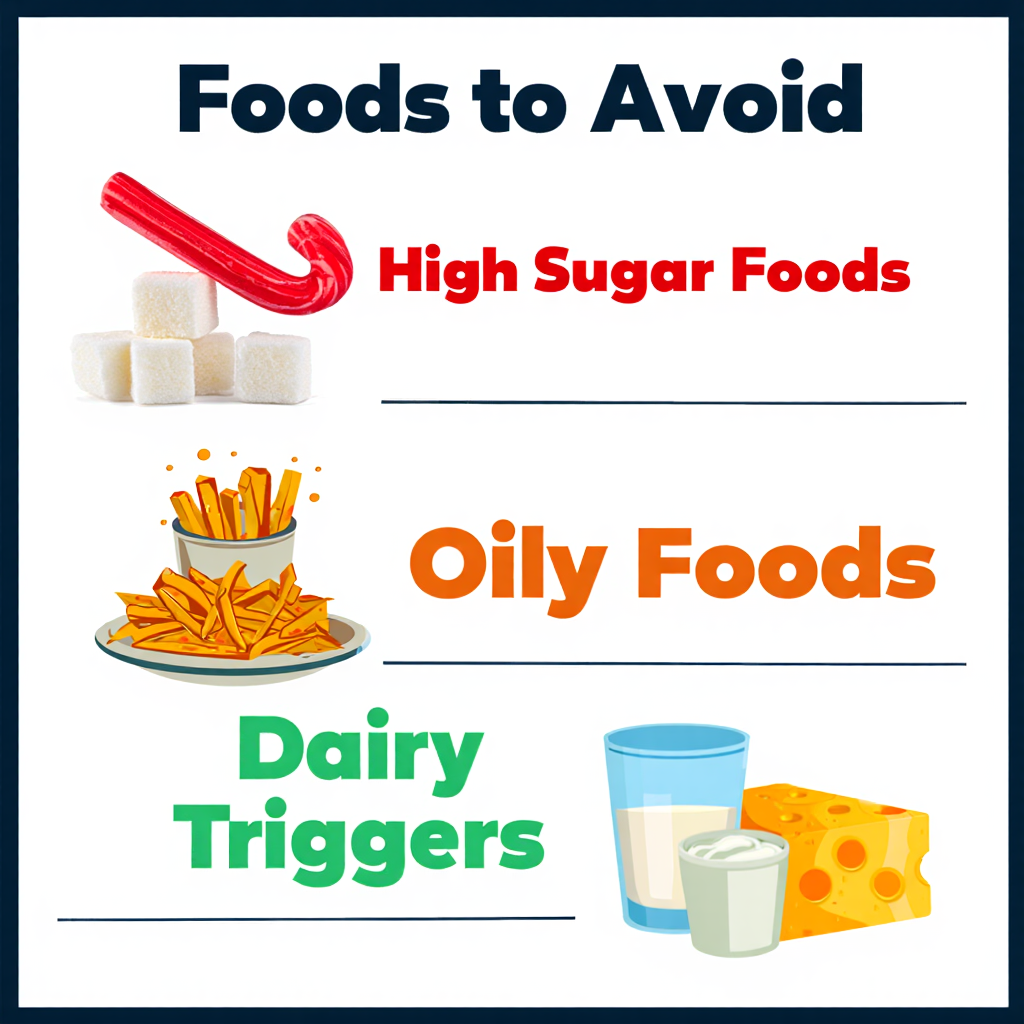
Avoid too much sugar, oily foods, and dairy (may trigger acne in some people).
7. Manage Stress
Stress increases hormones that trigger acne.
Try deep breathing, meditation, exercise, or a short daily walk.
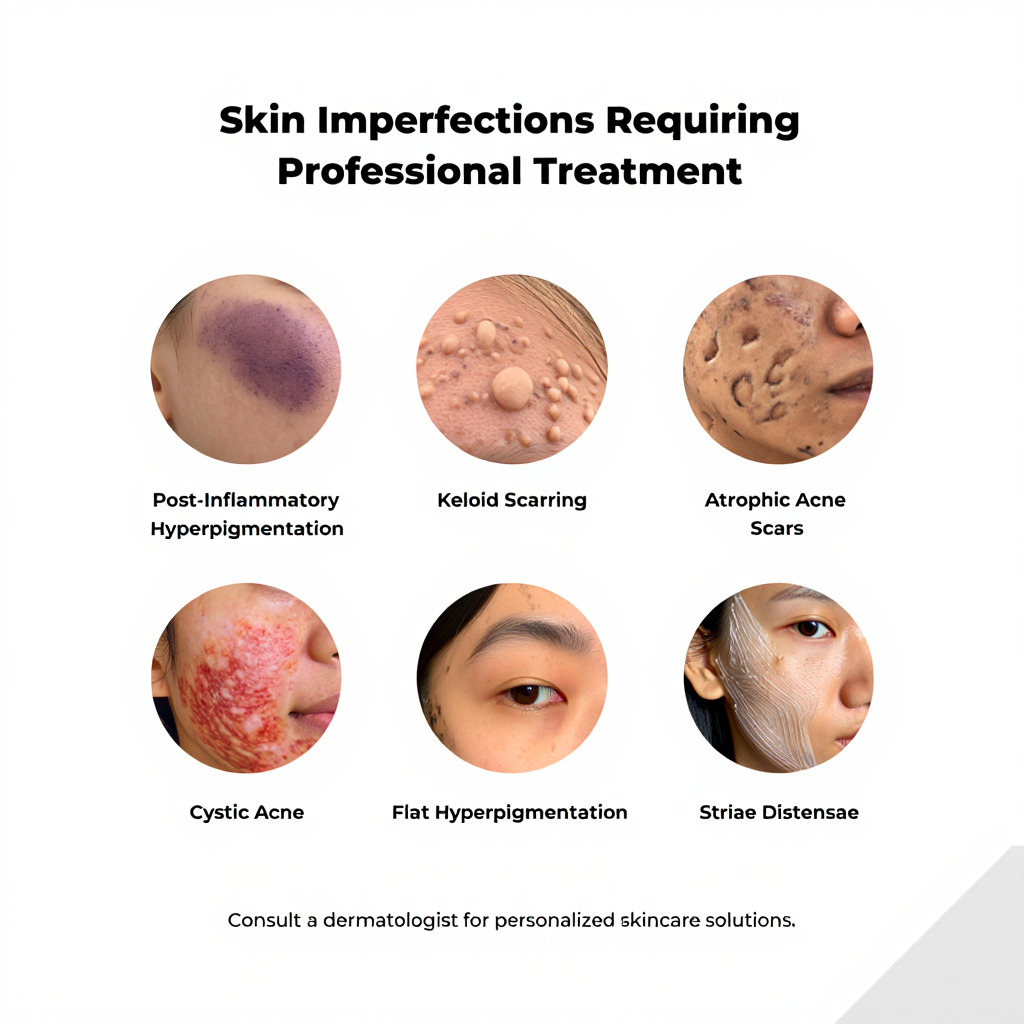
8. Visit a Dermatologist for Severe Acne
If you have:
- Painful cysts
- Dark marks or scars
- Acne lasting more than 3–4 months
A dermatologist may recommend stronger treatments like medicated creams or oral medicines.
Final Thoughts
Acne is treatable with patience and the right routine. Keep your skin clean, avoid harsh products, eat healthy, and be consistent. With time, your skin will become clearer, calmer, and healthier.